














What Are the Parts of a Drone?
The Structure and Propulsion System
A drone requires a reliable propulsion system to get off the ground and stay airborne. This system consists of three main components that work together to lift the device, determine its direction, and maintain stability in the wind.
The Frame: Dictates Size and Durability
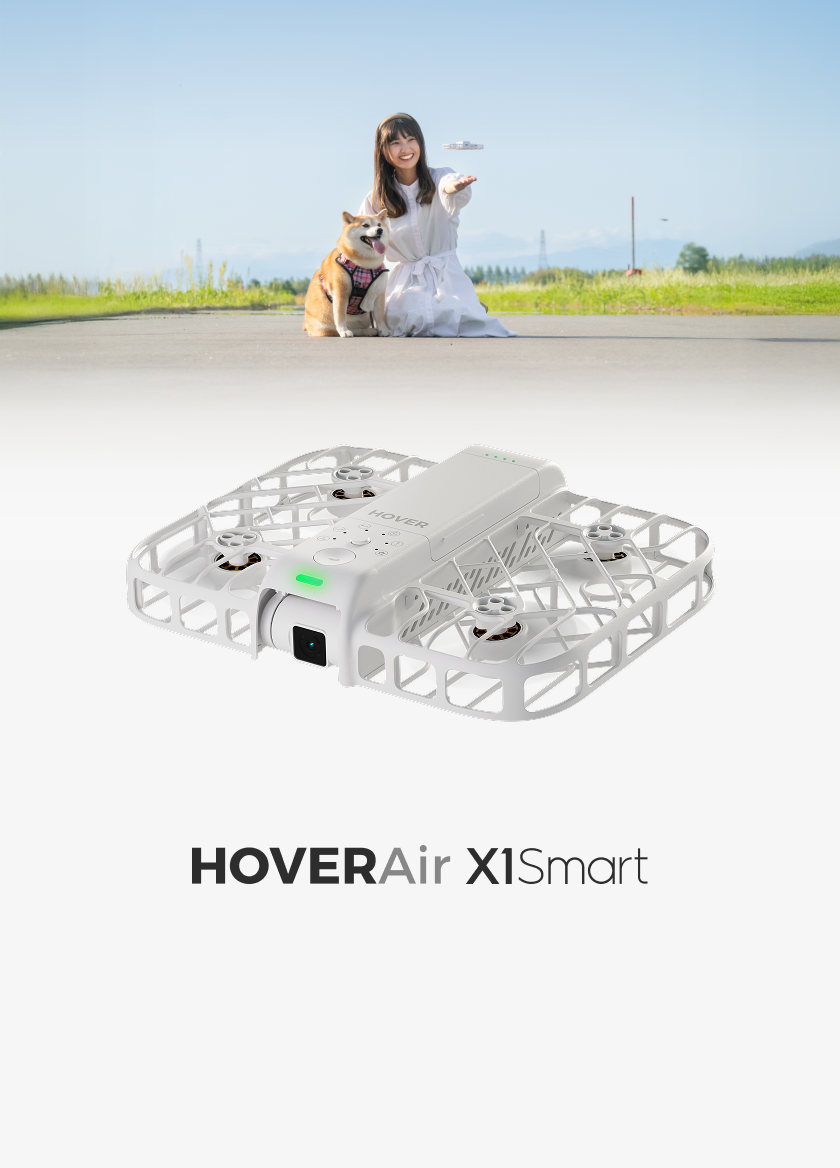
The frame acts as the main skeleton, securing internal electronics and supporting the arms. Consumer models typically use high-strength plastics to keep production costs low while staying light enough to meet regulations, like the popular under-250g category. In contrast, professional or heavy-lift drones often rely on carbon fiber. While carbon fiber offers superior rigidity and impact resistance, it significantly increases the price. The frame's physical size determines the maximum propeller length, which dictates how much battery weight or camera gear the drone can carry.
Motors and Propellers: Generate Balanced Thrust
Motors spin the propellers at high speeds to push air downward and generate lift. Most consumer drones feature four brushless motors, which are the industry standard because they operate efficiently, produce minimal heat, and outlast older brushed alternatives.Rotation direction is critical for stability. If all four propellers spun the same way, torque would cause the entire drone to spin out of control. To prevent this, manufacturers install them in specific pairs: two motors rotate clockwise (CW), and the other two rotate counter-clockwise (CCW). This opposing movement neutralizes torque, allowing the drone to hover perfectly still.
ESCs: Regulate Flight Movements
The Electronic Speed Controller (ESC) acts as the hardware's power manager. When the drone's main computer calculates how the aircraft needs to move, the ESC translates those digital signals into precise electrical currents for each motor.If a gust of wind hits the drone, the ESC instantly adjusts the RPM (revolutions per minute) of specific motors to compensate and keep the flight level. A high-quality ESC ensures the drone responds smoothly and predictably to joystick inputs, eliminating jerky or delayed aerial movements.

Flight Control and Power Systems
The Flight Controller: Processes Commands and Stabilizes Flight
The Flight Controller (FC) is the main circuit board of the drone. It receives your joystick inputs from the remote control and cross-references them with real-time data from the drone's onboard sensors. It calculates exactly how fast each individual motor needs to spin and sends those specific commands to the ESCs in milliseconds. This continuous data processing is what allows the drone to execute your directional movements accurately and hover perfectly in place the moment you let go of the joysticks.
The IMU: Measures Tilt, Speed, and Altitude
Usually built directly into the flight controller, the Inertial Measurement Unit (IMU) is a dedicated collection of sensors that constantly monitor the aircraft's physical orientation in the sky. It relies on two main sensor groups:
- Gyroscopes and Accelerometers: These measure the drone's tilt, speed, and rapid directional changes to keep the physical frame level.
- Barometer: This sensor measures changes in air pressure to determine the drone's height and hold a steady altitude.
When a gust of wind pushes the drone, the IMU instantly detects the unwanted movement and feeds that data to the flight controller to automatically correct the position.
The Battery: Dictates Flight Time and Power Output
Most consumer drones use Lithium-Polymer (LiPo) or Lithium-Ion (Li-ion) batteries because they are lightweight and discharge power quickly. When reading battery specifications, two main metrics dictate performance:
- Capacity (mAh): Determines your maximum flight time before needing a recharge.
- Voltage and C-rating: Dictate how fast the battery delivers power to the motors, which affects the drone's top speed and its ability to fight strong winds.
While upgrading to a higher-capacity battery increases flight time, it also adds physical weight. This extra mass forces the motors to work harder, which slightly reduces the expected flight time gains. A heavier battery can easily push the total weight of the drone over the 250-gram regulatory threshold.
Navigation, Sensors, and Imaging
The GPS Module: Tracks Location and Enables Auto-Return
The Global Positioning System (GPS) module connects to satellites to track the drone's exact coordinates. This allows the drone to hold its position outdoors automatically, even in the wind. More importantly, it enables the Return-to-Home (RTH) safety feature. If the drone loses its connection to the remote control or the battery runs low, the system uses the recorded GPS data to fly back to the exact takeoff point and land automatically.
Vision Sensors: Detect Obstacles and Assist Hovering
Since GPS often fails indoors or under dense tree cover, drones rely on vision sensors. Downward sensors read ground textures to keep the drone hovering steadily without satellite signals. Meanwhile, many models also feature forward, backward, or side-facing sensors to detect physical obstacles. If they spot a wall or a tree branch, they signal the flight controller to either brake immediately or route the drone around the object to avoid a crash.
The Gimbal and Camera: Stabilize Footage
While the camera determines resolution and frame rate, the gimbal physically stabilizes the footage. A mechanical gimbal is a mount equipped with micro-motors that counteract the drone's movements. When the drone tilts forward to fly or shakes in the wind, the gimbal instantly moves the camera in the exact opposite direction. This absorbs vibrations, allowing a 3-axis mechanical gimbal to record perfectly smooth video.

Communication and The Pilot Link
Drones require a reliable communication link between the pilot and the aircraft to transmit flight commands and receive live video.
The Transmitter and Receiver: Maintain the Radio Link
The remote control's transmitter broadcasts flight commands to the drone's receiver using 2.4 GHz or 5.8 GHz radio frequencies. Many systems automatically switch between these bands during flight to avoid interference from local Wi-Fi networks or cell towers. This ensures the drone responds instantly to joystick inputs without losing the signal.
Video Transmission: Delivers Live Feed
The video downlink sends the live camera feed directly to the pilot's screen. The specific transmission technology dictates the drone's maximum effective range. Basic models use standard Wi-Fi, which works for short, clear distances but loses signal behind physical obstacles. Premium models use proprietary radio systems to transmit high-definition video over several miles with minimal delay.
The Remote Controller and App: Manage Flight Inputs
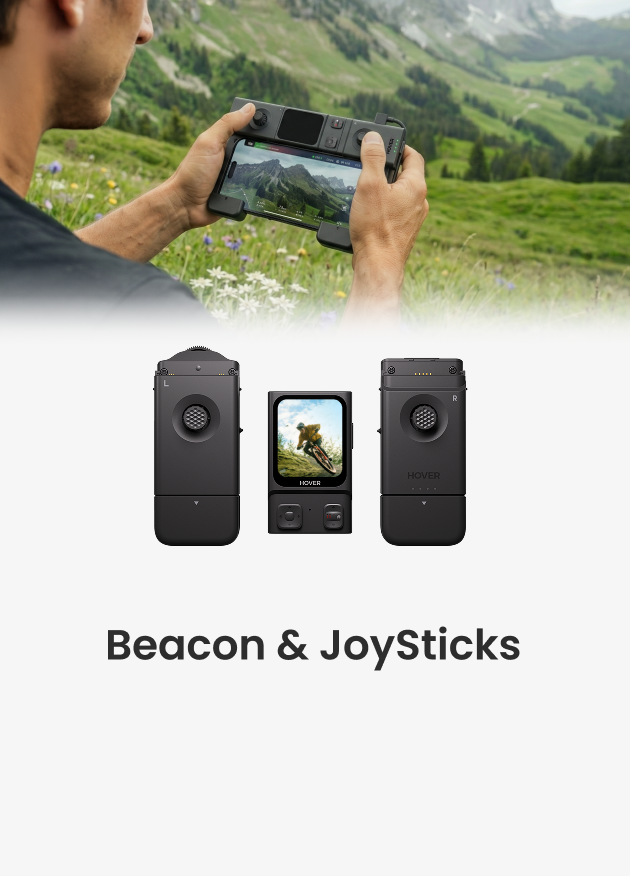
Dedicated remote controllers feature physical joysticks and antennas to maximize transmission range and precision. However, modern flying cameras often eliminate the physical remote entirely to prioritize portability. These compact devices connect directly to a smartphone app via Wi-Fi, placing the live video feed and flight controls on your screen. While an app-only approach limits the maximum flight distance, it creates a significantly lighter and more convenient setup.

Three Different Drone Types
The core hardware components can be arranged into various physical configurations depending on the drone's intended use.
1. Multi-Rotors
Multi-rotors use multiple downward-facing propellers to lift off vertically and hover. Quadcopters feature four rotors and are the standard for consumer photography and flying cameras. Hexacopters use six rotors to lift heavier cinematic gear. These extra motors also provide mechanical redundancy, allowing the drone to land safely even if one motor fails mid-air.
2. Fixed-Wing Aircraft
Fixed-wing drones rely on aerodynamic wings and a single forward-facing motor. They cannot hover and require a runway or a hand-launch to take off. However, generating lift with wings requires significantly less battery power. This efficiency makes them ideal for long-distance agricultural mapping and surveying large plots of land.
3. FPV Drones
While technically multi-rotors, First-Person View (FPV) drones use stripped-down frames and oversized motors to maximize raw speed and agility. They skip automated safety features like GPS return-to-home to save weight. The pilot wears video goggles that display the live camera feed with near-zero latency, making this setup standard for drone racing and fast cinematic tracking shots.


