














8 Common Canoeing Mistakes Every Beginner Should Avoid
Most first-time canoe trips end up with someone exhausted, soaking wet, or arguing with their paddling partner. Controlling a boat takes more than just hacking at the water, and the river is quick to punish anyone who shows up unprepared. You don't have to learn these lessons the hard way by flipping over or burning out your shoulders. Sidestepping a few common beginner canoeing mistakes and following a few practical canoe tips is all it takes to stay dry, save your energy, and steer like you actually know what you're doing.
Mistake 1: Not Wearing a PFD (Life Jacket)
Many beginners toss their life jackets into the bottom of the canoe, assuming they can just grab them if the boat tips. But capsizes happen in a split second. A loose vest will instantly float away or get trapped under the overturned hull. Trying to wrestle a jacket onto your shoulders while treading water is nearly impossible, especially since hitting cold water triggers an involuntary gasp reflex that can cause you to drown almost instantly.
The Fix: Put your life jacket on and fasten every buckle before leaving the dock. To actually protect you, the fit must be completely snug. Have your paddling partner pull up on the shoulder straps—if the vest slides past your chin, it is too loose. Cinch the side straps until the jacket rests firmly against your ribs, leaving just enough room to breathe and paddle comfortably.
Mistake 2: Wearing the Wrong Clothes and Shoes
When the forecast predicts a sunny 80°F (27°C) day, it's tempting to hit the river in a cotton tee, jeans, and flip-flops. But warm air doesn't mean warm water. If you fall in, cotton just stays cold and wet. A soaked t-shirt will make you freeze as soon as the wind hits, and wet jeans only weigh you down. Add flip-flops to the mix, and you'll be sliding all over the river rocks just trying to stand up.
The Fix: Dress for the water, not just the weather. Swap out cotton for quick-drying synthetic clothes. If the water itself is cold, wear a wetsuit to prevent cold water shock. Instead of flip-flops, wear secure water shoes or old sneakers that actually grip the rocks and won't fall off. Finally, pack a spare set of dry clothes in a dry bag. If you do take an unexpected swim, you can easily change on the bank and keep going.
Mistake 3: Filming With a Phone Instead of a Waterproof Drone
Capturing the trip is a big part of the fun, so beginners naturally pull out their phones or pack a standard camera drone. But canoes are notoriously wobbly. One bump against a rock or a sudden shift in weight is enough to knock a phone straight into the river. Regular drones are even riskier. Trying to launch or catch a standard drone while balancing in a moving boat usually ends with the device hitting the water and sinking.
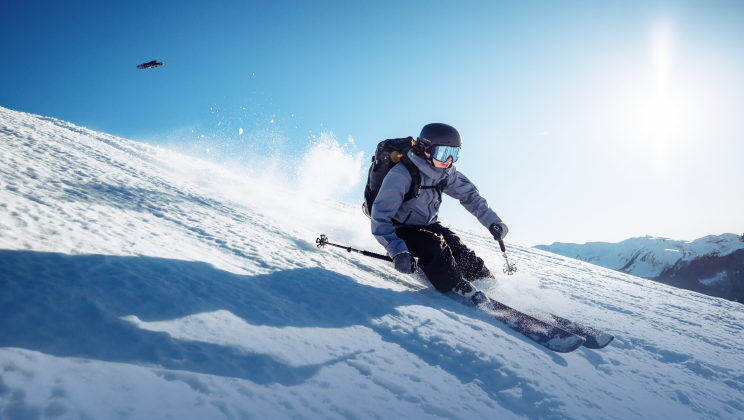
The Fix: The easiest way to keep your phone safe is to leave it packed away in a dry bag. If you want photos and aerial shots, use a waterproof drone for canoeing like the HOVERAir AQUA instead. Because it can take off and land directly on the water's surface, you never have to risk dropping your phone overboard or standing up to catch a drone.

Mistake 4: Paddling Only With Your Arms
It is a natural instinct to use just your arms to pull the paddle through the water. But if you rely entirely on your shoulders and biceps, you will exhaust yourself within the first mile. Arm paddling also generates very little power, meaning you end up working twice as hard to keep the boat moving.
The Fix: Power the stroke with your core instead. Keep your arms relatively straight and rotate your torso, letting your stronger back muscles do heavy lifting. Also, learn a few basic canoe strokes—like the sweep, draw, and pry. These techniques allow you to steer the boat efficiently without awkwardly switching your paddle from side to side whenever you drift off course.
Mistake 5: Standing Up or Improperly Loading the Canoe
Standing up to stretch or swap seats instantly ruins the boat's stability and is the easiest way to capsize. But even if you stay seated, packing the canoe unevenly will ruin your trip. Piling all your gear or putting the heaviest person at one end pushes that side deep into the water and lifts the other end up. When the boat sits unevenly, the wind and current easily catch the raised end, making the canoe spin constantly and nearly impossible to steer.
The Fix: Keep your weight low. If you have to move around, stay crouched and keep three points of contact—like holding both sides of the canoe while you move your feet. When loading up, distribute the weight so the canoe sits perfectly level from front to back. Put heavy items flat on the bottom in the middle of the boat. A level canoe tracks straight and is much easier to control.
Mistake 6: Paddling Out of Sync With Your Partner
If you and your partner are paddling at different speeds, switching sides without warning, or both trying to steer at once, the canoe will just zigzag or spin in circles. Being completely out of sync is exactly why canoes earned the nickname "divorce boats"—fighting against each other's strokes is incredibly frustrating and usually ends with someone yelling across the water.
The Fix: You need to establish a rhythm and stick to it. The person in the front sets a steady pace, while the person in the back matches their timing and handles the steering. Always communicate before you switch sides so you both move at the same time, which keeps the boat balanced. If you are heading into tricky or fast-moving water, don't try to wing it with another rookie. Bring an experienced partner who knows how to read the river and can guide you through.
Mistake 7: Letting the Current Control Your Boat
The water will never naturally keep your canoe centered. If you just sit back and let the river take over, the current or wind will eventually push you into the outer bank, pin you against a bridge, or sweep you into a fallen tree. If you wait until you're already hitting an obstacle to start paddling, you'll often be moving too fast to do anything about it.
The Fix: You need to stay ahead of the boat and paddle with a plan. Start your trip by paddling into the wind or against the current while you have the most energy. This makes the return trip much easier when you're tired. Before you launch, talk to locals to find out about hidden hazards like submerged fences or "sweepers" (trees hanging over the water). Always pick a spot on the shore and steer toward it with purpose—don't let the water decide where you're going.
Mistake 8: Leaning Away From Obstacles
If the current pushes your canoe sideways against a rock or a log, your first instinct is to lean your body away from the obstacle. It feels safer to pull back toward open water, but leaning away is exactly what causes the boat to flip. By tilting your weight upstream, you lower the side of the canoe that faces the oncoming water. The current will instantly catch that edge, fill the boat, and pin both the canoe and everyone in it against the rock.
The Fix: You have to fight your instincts and lean into the obstacle. If you hit something sideways, tilt the canoe downriver toward the object. This lift allows the rushing water to flow safely under the hull instead of over the side. While it feels wrong to move closer to the thing you just hit, keeping that upstream edge high is the only way to stay upright. Once the boat is stable, you can safely push off or figure out your next move.
Plan Your Trip With Essential Canoe Tips!
Canoeing is much more rewarding when you aren't fighting the water or your gear. Most accidents and exhaustion come from simple oversights, like wearing the wrong shoes or paddling with just your arms. By preparing for a capsize, balancing your boat, and communicating with your partner, you can focus on the scenery instead of basic survival. Keep these safety tips in mind before you push off, and you will have a much smoother experience on the river.


