












Mini Drone Hoverair X1 in Practical Test
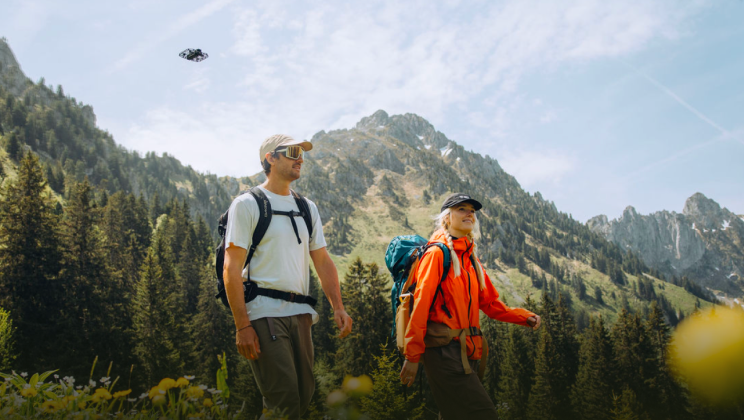
The Hoverair X1 drone performed convincingly in the CHIP practical test: The foldable quadcopter in pocket-size format is ready to use quickly and is very easy to operate. The drone is designed to capture selfies using pre-programmed or custom flight paths. It can also track the subject using the "Follow me" mode – whether outdoors during sports, on vacation, or even indoors. The camera records videos and photos with very balanced exposure, and sharpness is good too, although limited by the maximum 2.7K resolution. The Hoverair X1 comes at a relatively high price.
Advantages
- Easy to use
- Good video quality
- Compact and lightweight
Disadvantages
- No obstacle sensors
- No GPS
- Only internal memory
Hoverair X1 in Practice: Just How a Selfie Drone Should Be
Anyone can take selfies with a phone or camera. But how about a self-portrait from a bird's eye view? The small, lightweight quadcopter Hoverair X1 is designed exactly for this purpose. It is super easy to use and offers a variety of pre-programmed flight routes that result in diverse, cinematic video sequences. It’s basically an intelligent, flying selfie stick. We tested the Hoverair X1 both indoors and outdoors. The concept convinced us, and the videos are quite impressive too. However, considering the steep price, we would have hoped for more features.
Hoverair X1: Lightweight in Black and White
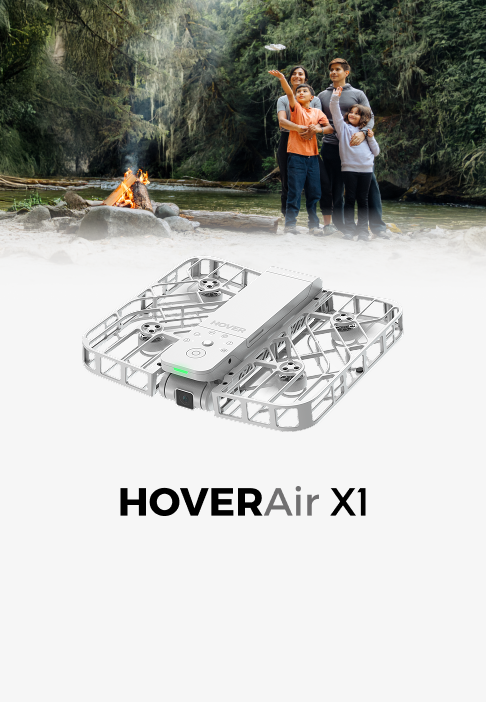
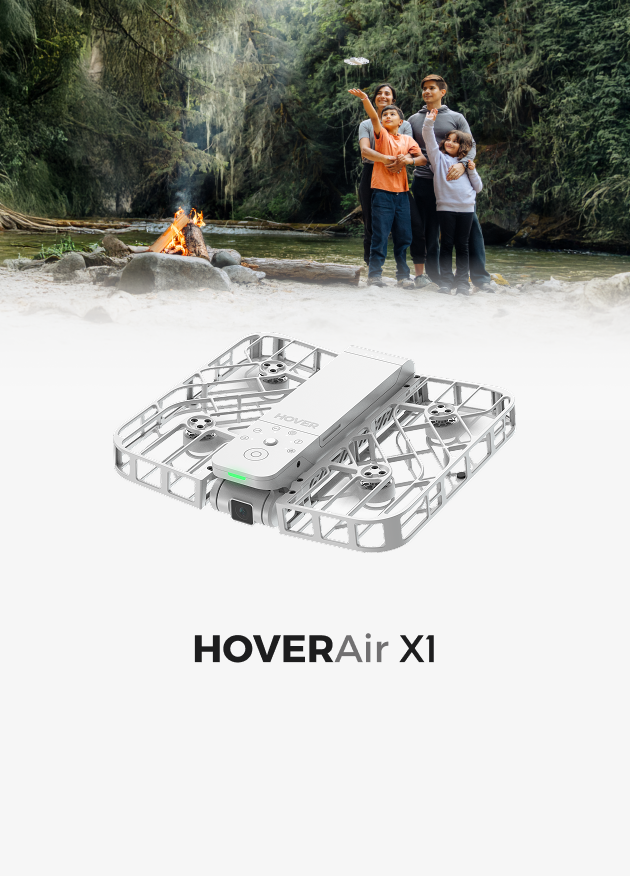
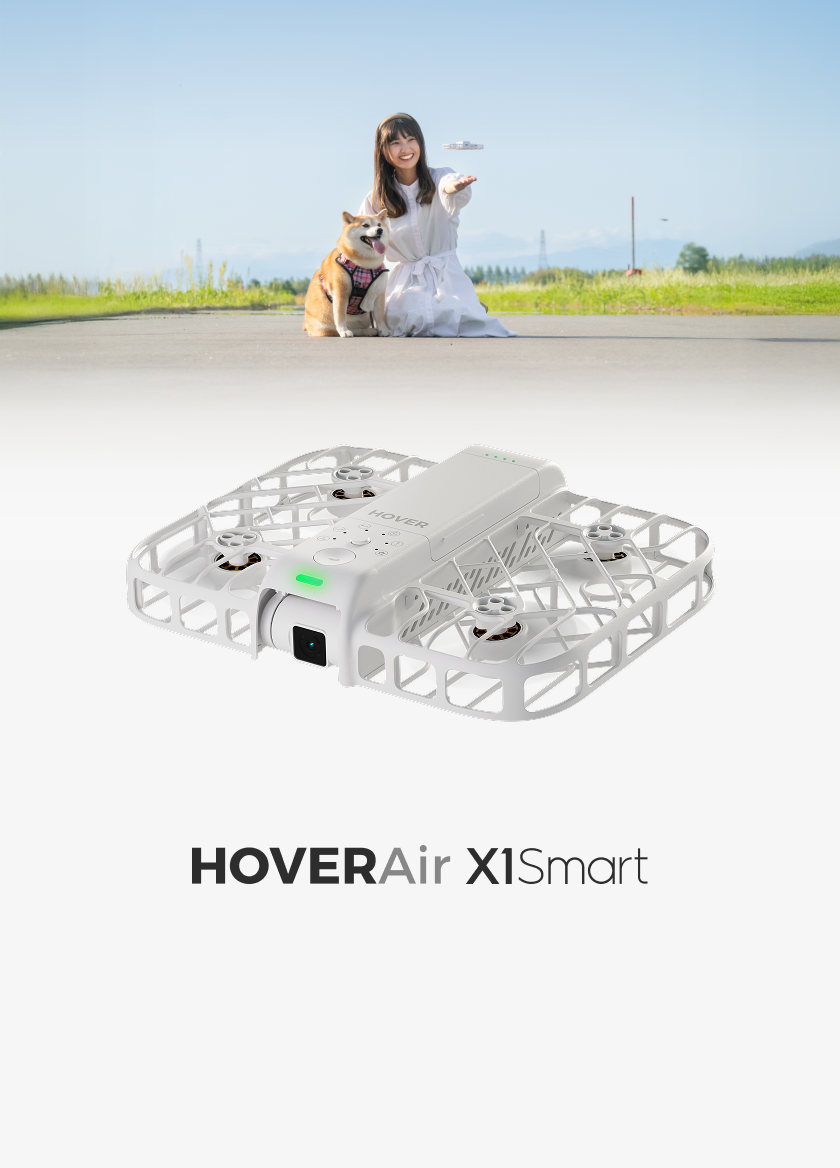
The Hoverair X1 weighs only 125 grams including the battery. The four propellers are enclosed in a plastic cage that protects against potential collisions. Despite the amount of plastic, the drone's build quality and minimalist design feel quite premium and elegant. The battery clips into the center, where you also find two buttons and an LED indicator for operation.
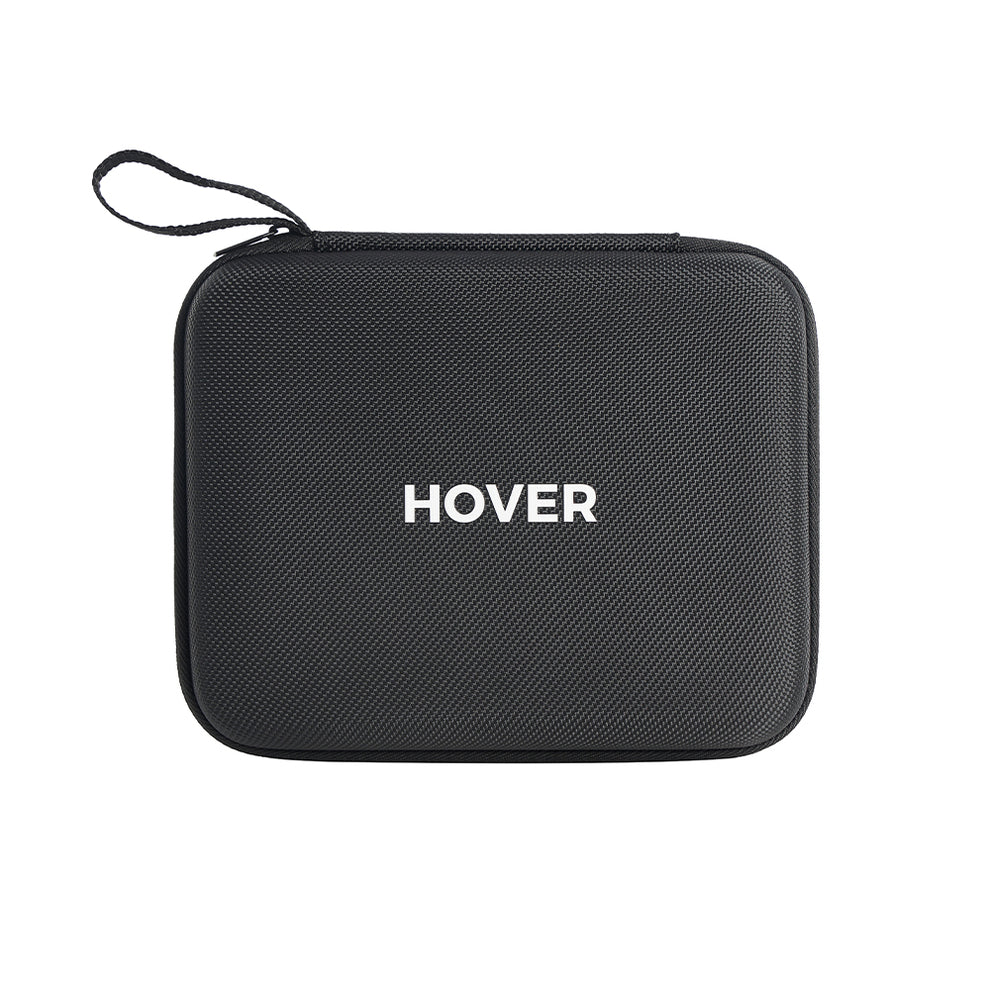
The camera records in 2.7K resolution onto the 32 GB internal memory. There is no SD card slot; videos must be transferred via the Hover smartphone app. The maximum speed is 7 meters per second (about 25 km/h), which is fast enough to keep up during jogging or light biking. In flight mode, the drone measures just 13 x 15 x 3 cm—when folded, its size is halved and it fits easily into the soft pouch provided. As a very lightweight drone, the Hoverair X1 falls into the EU's C0 drone category, meaning no license is required and there’s no minimum distance needed from other people.
The selfie drone is available in black and white, and is priced at €435 (RRP on the EU website). For around €70 more, you get a combo with an extra battery and a charging dock. Since the flight time per battery was 10 minutes in our indoor test, the larger bundle is definitely recommended if you plan to use the drone regularly.

Hoverair X1: Innovative Control Concept
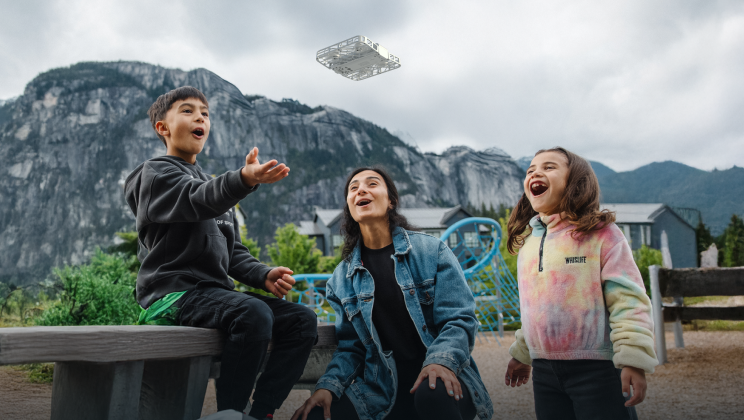
Getting started is quick: charge and insert the battery, download the app, possibly update the firmware, and grant Bluetooth and Wi-Fi permissions. Even though the setup process is guided in English, it's fairly easy and intuitive. You can put your phone aside if you want because the five main flight routes can be selected directly on the device. Once the drone confirms the mode via voice prompt, you launch it from your outstretched hand.
The Hoverair X1 films automatically, focusing on the pilot. Once the route is completed, it returns within reach. By holding out your hand, you signal it to land in the same spot. This worked well indoors during our test. Outdoors, even light wind may cause it to miss the landing slightly, requiring manual adjustment.
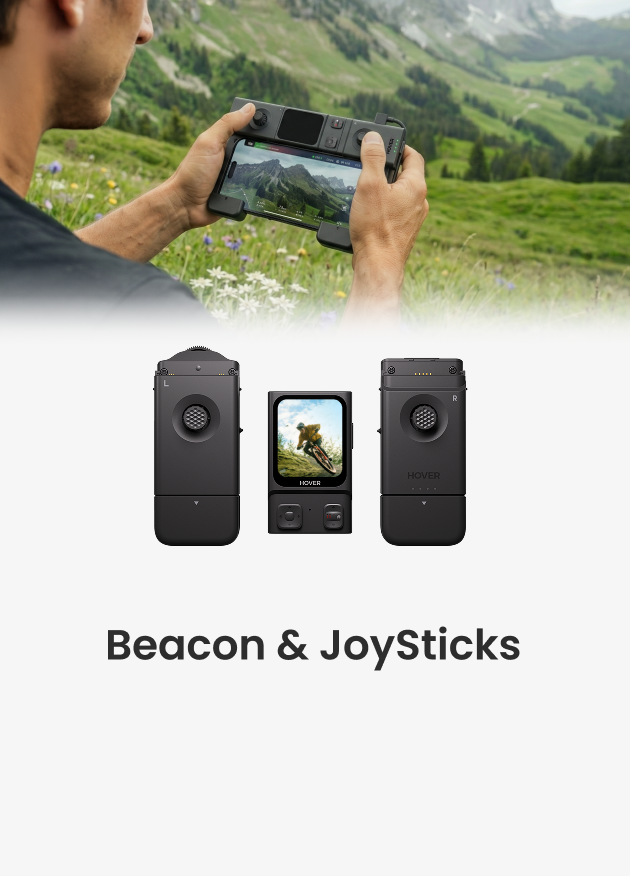
You can customize flight routes in the Hover app, and firmware updates occasionally add new modes like “Dolly Track,” which keeps a constant 2-meter distance from the pilot. The app also includes a manual mode where you can control height, direction, and gimbal position manually with a remote.
Because the Hoverair X1 navigates only visually, it should not be used in dark or poorly lit environments. Flying over water or from high rooftops is also not permitted. It's only somewhat suitable for indoors or forests. Besides the camera, there are only takeoff and landing sensors on the bottom, meaning the drone can bump into walls or furniture in small rooms. Thanks to its plastic cage and low speed, it usually avoids damage, but obstacle sensors on all sides would definitely be useful for this use case.
Hoverair X1 in Practice: Surprisingly Sharp Videos
The Chinese manufacturer Zero Zero Robotics does not disclose the exact technical specifications of the sensor. The resulting videos have a resolution of just 2.7K, but they offer surprisingly good quality — more than sufficient for social media. The image stabilizer also does a great job, producing very smooth footage.
At the highest resolution, the drone records at 30 fps, and in Full HD, at 60 fps. Sharpness is pleasing, and exposure is well-balanced even in challenging lighting with backlight. It’s clear that sharpness and exposure are internally optimized — for example, to best present the drone pilot’s face and body. In that sense, the Hoverair X1 behaves similarly to smartphones that enhance their images using sophisticated, intelligent editing algorithms.


