












What to Pack for a Day SUP Trip: The Ultimate Checklist
Nothing ruins a perfect day of paddleboarding faster than realizing you forgot something important on shore. To keep your trip safe, comfortable, and ready for those amazing aerial shots, you need a solid plan. Here is the ultimate, no-nonsense checklist of exactly what to pack before you hit the water.
SUP Core Hardware & Transport
Your board and paddle might seem impossible to forget, but it is usually the smaller hardware components that get left behind. Taking a few minutes to inventory this primary gear ensures you can actually launch when you arrive.
The Board, Paddle, and Fin
Before leaving the house, double-check your main gear. Make sure your adjustable paddle locks securely so the shaft doesn't collapse while you are using it. Most importantly, remember to pack the center fin and its mounting screws. Without a fin, your board will just spin in circles and won't paddle straight.
Pump (for iSUPs)
If you use an inflatable paddleboard, you need to bring your pump to the launch site. Check that the hose and the correct valve adapter are actually attached to the pump body. If you rely on an electric 12V pump, confirm the power cord is packed.
Transport Aids
Carrying a heavy board from the parking lot to the water drains your energy before you even start paddling. A padded shoulder carry strap frees up your hands and makes the walk much easier. For longer trails, a small wheeled transport cart can do the heavy lifting for you.
Ankle or Calf Leash
Never paddle without a leash. It keeps you tethered to the board if you fall in. A paddleboard is a giant floating platform, and staying attached ensures it won't drift away from you in the wind. A coiled leash is usually best for flatwater because it rests on the board and won't snag on debris in the water.
Personal Flotation Device (PFD)
Because authorities like the U.S. Coast Guard classify paddleboards as vessels, carrying an approved PFD is both a universal safety standard and often a legal requirement. If you don't like wearing a bulky foam life jacket, inflatable belt-pack PFDs are a great alternative. They buckle comfortably around your waist and stay out of your way. Keep in mind that belt packs require you to pull a cord to inflate them, making them best for confident swimmers.

Clothing & Sun Protection
Always dress for the water temperature, not the air outside. Since there is always a chance you might fall in, your clothes need to handle the actual water conditions safely.
Warm Weather and Water (≥70°F/21°C)
In warm conditions, focus on sun protection and quick-drying materials. A UPF-rated rash guard paired with board shorts or a swimsuit works best. Avoid cotton completely, as it absorbs water, stays heavy, and will quickly chill your body. Additionally, pack water shoes to protect your feet from sharp rocks, shells, or hot sand at the launch site.
Cold Weather and Water (<70°F/21°C)
Plunging into cold water can cause a dangerous shock to your system, so you need layers that insulate even when soaking wet. A wetsuit or thick neoprene garments are highly recommended here. Because your extremities lose heat the fastest, make sure to wear paddling gloves, warm synthetic or wool socks, and a snug cap.
Sun and Glare Protection
The water surface acts like a mirror, intensifying UV exposure and creating a harsh glare. Polarized sunglasses are incredibly helpful because they cut through this reflection, allowing you to actually see rocks or obstacles under the surface. Secure them with a floating strap to prevent them from sinking to the bottom. A wide-brimmed hat will also help shield your face and neck.
Skin and Lip Care
Put on water-resistant, reef-safe sunscreen before you launch, and stash the bottle in your dry bag so you can reapply it later in the day. Also, grab an SPF 15+ lip balm. Lips burn very easily out on the water, yet they are one of the most frequently forgotten areas.
Hydration, Food & Personal Items
Stand-up paddleboarding is a physical workout, and constant sun exposure quickly leads to dehydration. You will burn more energy and sweat more than you realize, so fueling your body properly is critical for a full-day trip.
Water
Bring more water than you expect to drink. A wearable hydration pack is extremely convenient because it lets you take a sip without putting your paddle down or losing your balance. If you prefer not to wear anything on your back, secure a large, insulated water bottle under the bungee cords on the front of your board. The insulation is key here, as standard plastic bottles will turn into hot water after an hour in the sun.
High-Energy Snacks
Spending hours balancing and paddling burns a surprising number of calories. You need food that provides quick energy, survives the heat, and is easy to eat with wet or sandy hands. Trail mix, beef jerky, and dense energy bars are excellent, mess-free choices. Avoid anything with chocolate or ingredients that will melt and ruin your gear.
The Dry Bag
A heavy-duty dry bag clipped securely to your board's D-rings is mandatory for protecting your valuables. Use it to stash your car keys, a credit card, and a little cash for unexpected launch fees or marina stops. Always place your phone inside a separate floating, waterproof pouch before dropping it in the main bag. This protects your device from accidental splashes when you reach inside and guarantees it won't sink to the bottom if you drop it on the water.
Safety, Navigation & Survival Gear
While food and water keep your energy up, proper emergency gear ensures you can handle the unexpected. Wind and weather can shift quickly on the water, making these compact survival tools non-negotiable for a full-day trip.
Marine Rescue Whistle & Headlamp
A loud whistle cuts through wind and waves much better than shouting. Clip it directly to your PFD so it is always within reach. If your trip extends past sunset, a waterproof headlamp is mandatory. In fact, many areas legally require paddlers to display a bright white light at night to avoid collisions with motorized boats.
Waterproof First-Aid Kit & Bug Spray
Pack a compact first-aid kit for minor cuts or paddle blisters. Add a travel-sized insect repellent if you are exploring marshy rivers or mangroves where mosquitoes are active.
Safety Rescue Knife
A small, rust-resistant knife can be a lifesaver. If your leash or fin becomes tangled in thick kelp, ropes, or discarded fishing lines under the water, a quick cut allows you to break free safely.
Offline Maps & Floating Compass
Cell reception frequently drops once you leave the shoreline. Download offline maps to your phone ahead of time. When heading into remote territory, pack a physical waterproof map and a floating compass; they provide a reliable backup that never needs charging.
Tech & Capturing the Trip
Having a record of your time on the water makes the trip even more rewarding. With the right camera setup, you can easily capture your entire journey from the air without any added stress.
Waterproof Drones & Cameras
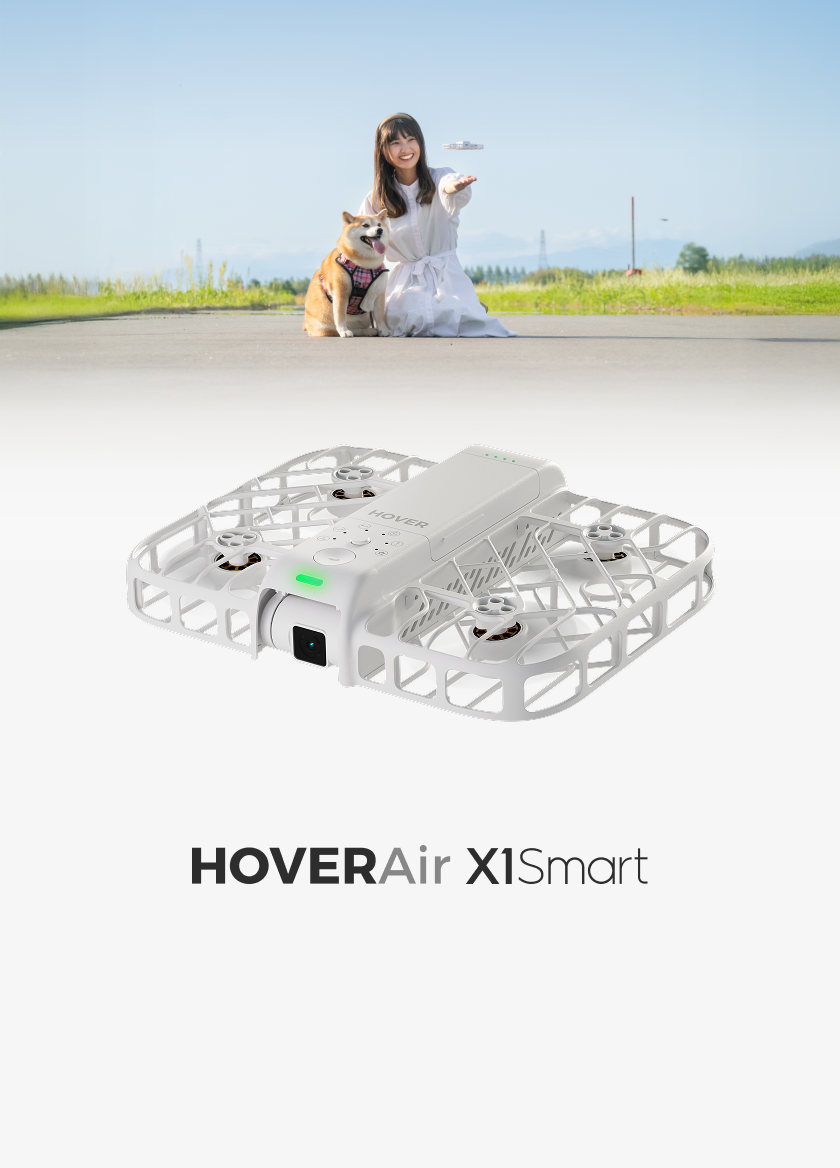
Waterproof drones, like the HOVERAir AQUA, are ideal for paddleboarding. Because they are designed to float and fly autonomously, you can safely take off and land directly on the water. This lets your flying camera handle the filming while you focus on actually paddling and enjoying your surroundings, without the stress of managing a remote control from a wobbly board.
Protective Storage and Extra Power
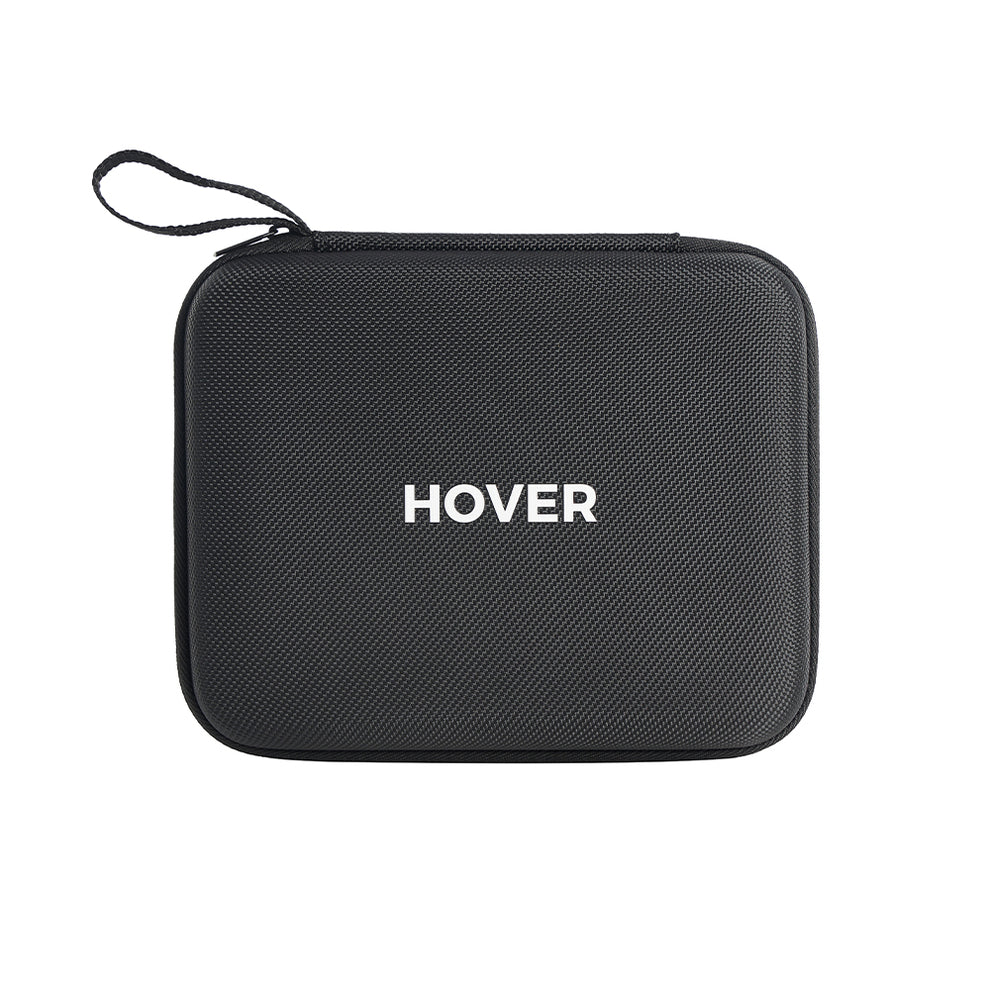
Even if your camera is waterproof, your spare batteries and controller are not. Keep all your electronic accessories in a hard-shell waterproof case or a dedicated dry bag. Also, make sure to pack extra fully-charged batteries. Flying over a lake or coast means fighting constant wind, which will drain your battery much faster than a normal flight.

Record Your SUP Trip With a Flying Camera!
A successful day on the water comes down to having the right gear. When your safety equipment, dry bag, and hydration are sorted, you can actually relax. Knowing your essentials are packed means you can focus entirely on paddling and letting your waterproof drone document the trip. Check the local wind forecast, grab your board, and head out!
FAQs About Paddleboarding
Q1: What to bring during a paddle board trip?
A: Your absolute paddle boarding essentials include your board, paddle, center fin, leash, PFD, and pump (if using an inflatable). These make up your core hardware and safety lifelines. Beyond that, you need a dry bag, plenty of water, high-energy snacks, and reef-safe sunscreen. If you want to capture the memories, packing a waterproof flying camera, like the HOVERAir AQUA, is a fantastic addition to easily document your trip from the air.
Q2: How to not feel wobbly while paddleboarding?
A: To stay stable, stand in the center of the board with your feet parallel, bend your knees slightly to absorb the waves, look straight ahead at the horizon, and keep your paddle moving. Beginners usually feel wobbly because they lock their knees stiffly and stare directly down at their feet. Stiff legs prevent your body from naturally adjusting to the water's movement, and a stationary board is actually much harder to balance on than one that is gliding forward.
Q3: What is the trick to paddle boarding?
A: The main trick is using your core muscles instead of relying on your arms. First, adjust your paddle so the T-grip is about six to eight inches above your head. When you take a stroke, sink the entire blade fully into the water. Then, use your stomach and back muscles to pull your body forward past the paddle, rather than just pushing the water backward with your arms. This prevents arm fatigue and gives you much more power.


