













Different Types of Drones and Uses
Drones are everywhere these days, but figuring out which one to buy can still be a bit confusing. Whether you are looking for a heavy-duty industrial tool or a simple flying camera, it is easy to get lost in the specs in 2026. This guide breaks down the main types of drones available today. We will look at how they are built, what they are used for, and the details you actually need to care about, helping you find the right match for your specific goals.
Types of Drones Based on Design and Flight Mechanics
The easiest way to categorize drones is by looking at their physical shape and how they fly. A drone's structural design directly affects what it can do in the air. Here are the four main types based on their build:
Multi-Rotor Drones
Multi-rotor drones are the most common type you will see at parks or events. They use multiple propellers—usually four, six, or eight—to take off vertically and hover in place, making them very stable and easy to fly.This hovering ability makes them perfect for aerial photography, real estate videography, and close-up building inspections. You can easily fly them into tight spaces and pause in mid-air to frame a shot. However, keeping all those propellers spinning drains power quickly, resulting in shorter flight times.
Fixed-Wing Drones
Fixed-wing drones look and fly like traditional airplanes. Instead of using rotors to hover, the shape of their wings generates lift as the drone moves forward.This design is highly energy-efficient. A fixed-wing drone can fly at higher speeds and stay in the air for a few hours, easily covering massive stretches of land on a single battery charge. Professionals use them extensively for agricultural monitoring, pipeline surveys, and topographical mapping. The main downside is that they cannot hover to inspect specific details. They also need a runway, a catapult, or a wide, open field to take off and land safely.
Single-Rotor Helicopter Drones
Single-rotor drones look just like classic helicopters, featuring one large rotor on top and a smaller directional rotor on the tail.A single, large blade is actually much more efficient at generating lift than several small ones, meaning these drones can carry significantly heavier payloads. Many single-rotor models run on gasoline rather than electricity, giving them the mechanical power needed for heavy-duty industrial work. They are often used to carry heavy LiDAR scanners or transport cargo over difficult terrain. This mechanical complexity means they require regular maintenance and a highly skilled pilot to fly safely.
Hybrid VTOL Drones
Hybrid VTOL (Vertical Take-Off and Landing) drones combine the best features of multi-rotors and fixed-wing aircraft. They have rotors to lift straight up off the ground, plus traditional wings for cruising.Once the drone lifts off vertically and reaches the right altitude, it transitions to flying forward like an airplane. This engineering allows operators to launch from a tight space, fly long distances efficiently, and land exactly where they started. Because they offer both easy hovering and long endurance, hybrid VTOLs are currently the standard for complex professional tasks, such as long-distance medical deliveries and search and rescue operations.

Types of Drones Based on Use Cases and Audiences
Beyond how they are built, drones are best categorized by their intended users and the tasks they handle. Every aircraft is created to solve a specific problem or fit a certain lifestyle.
Consumer and Recreational Drones
This category covers everything from casual weekend hobbies to serious content creation.
Toy and Beginner Drones
These are the smallest and most affordable options, often falling into nano drones. They are built with durable, lightweight plastics and propeller guards, making them highly resistant to crashes. Because they are safe and simple to operate, they are excellent for family and indoor flying, or just learning the basic controls before investing in a more expensive model.
Camera Drones & Flying Cameras
This is the most popular segment for general users and content creators. Today, this category generally falls into two distinct paths based on how they are operated:
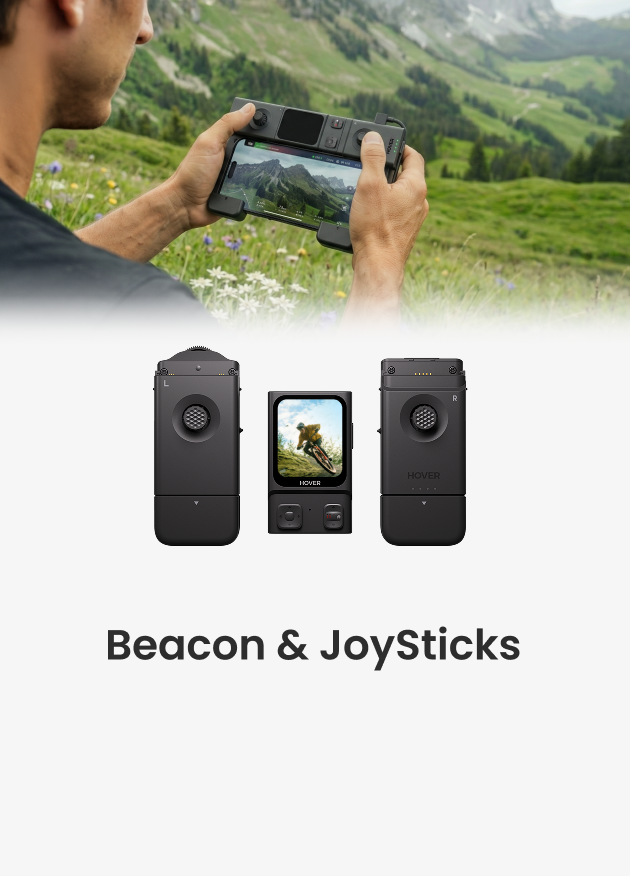
- Traditional Camera Drones: These are the standard tools for aerial photography. While they handle the hard work of stabilization and obstacle avoidance, they still require a controller to pilot the flight path and frame the shot. They are ideal for capturing vast landscapes and cinematic prosumer video.
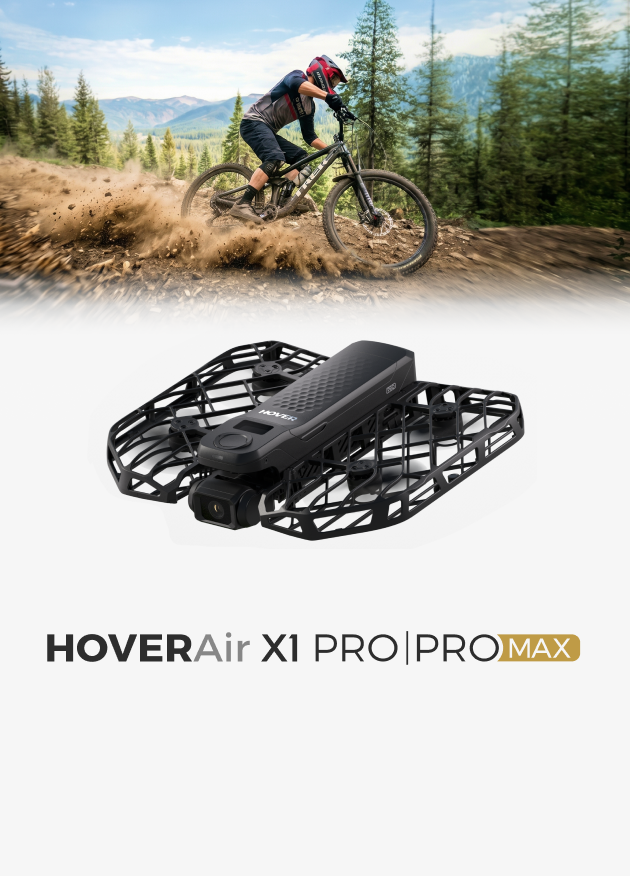
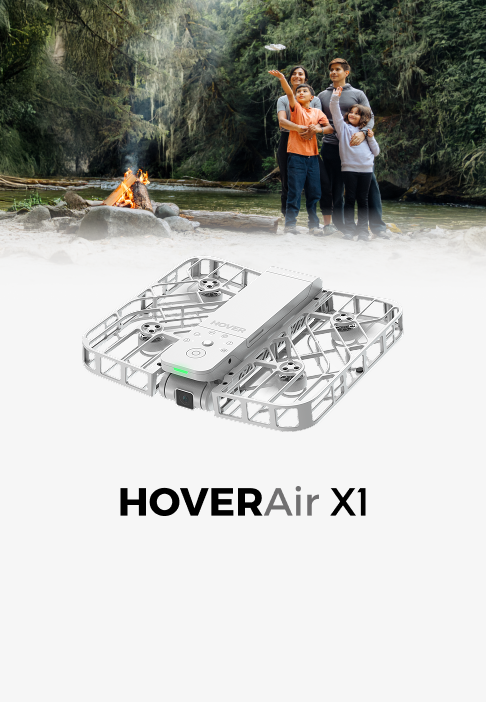
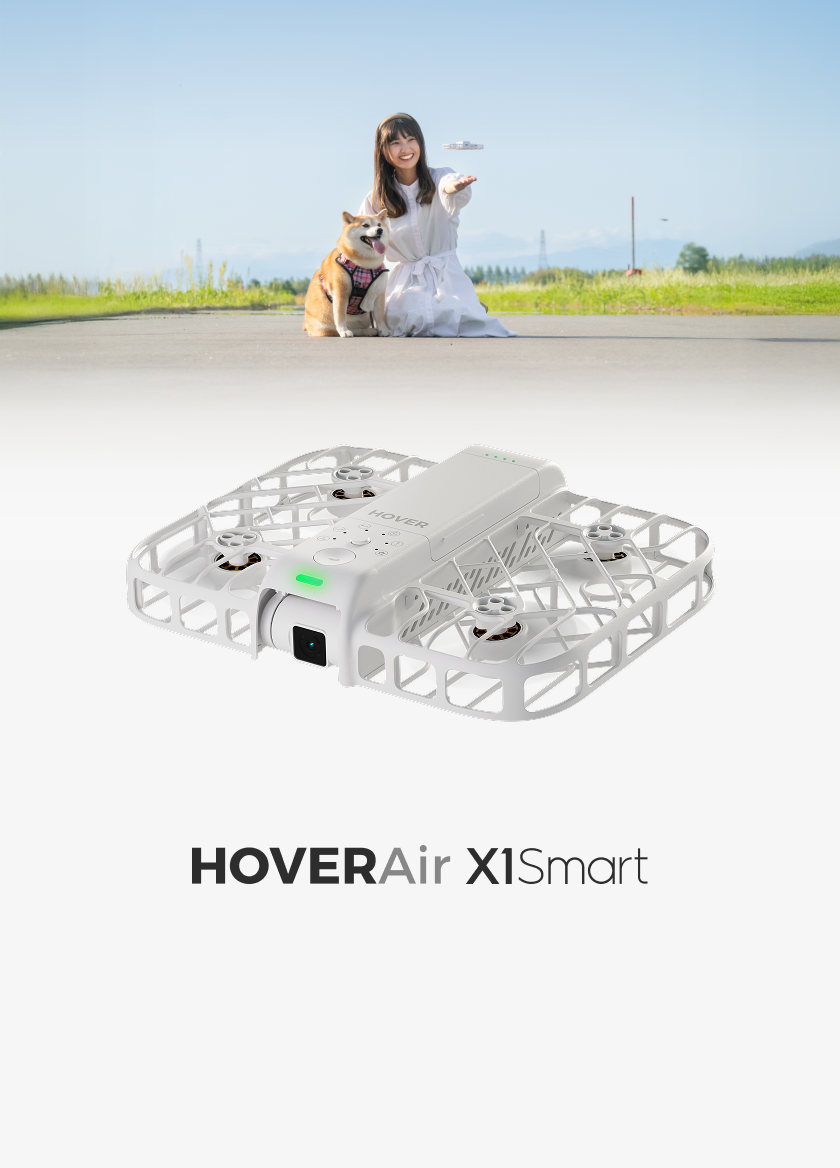
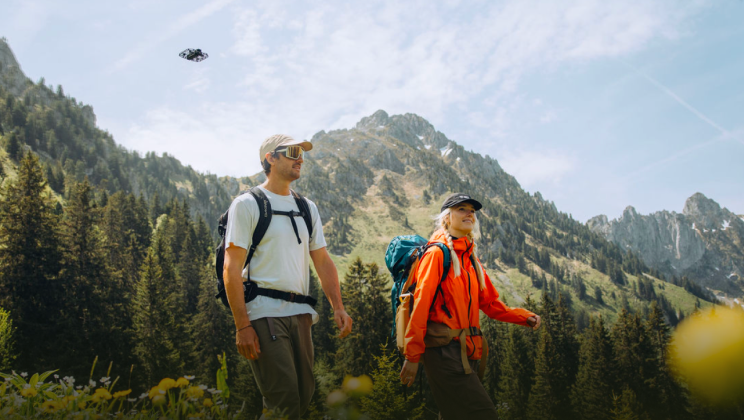
- Self-Flying Cameras: These are designed specifically for hands-free recording, making them a go-to choice for solo travel and vlogging. Instead of relying on a manual controller, flying cameras use built-in tracking technology to follow the subject automatically. This allows creators to capture dynamic footage of activities like hiking or riding without having to actively pilot the device.
FPV (First-Person View) Racing Drones
FPV drones strip away automatic hovering and safety sensors in favor of raw speed and agility. Pilots wear VR goggles that receive a live video feed directly from the nose of the aircraft, creating the sensation of actually sitting inside the cockpit. Because they can flip, roll, and dive at incredibly high speeds, they are heavily used for tracking fast-paced action and sports, but safely pulling off those maneuvers demands serious manual piloting skills.
Commercial and Industrial Drones
When we move away from consumer electronics, we find heavy-duty machines built to solve complex logistical and structural problems.
Agricultural Drones
Modern farming relies heavily on aerial technology. Large multi-rotor systems are designed to carry heavy tanks of liquid, precisely spraying crops with fertilizers or pesticides. Additionally, some models are equipped with specialized cameras for multispectral monitoring. This technology allows farmers to analyze soil health and spot diseased plants from the air long before the issues become visible to the human eye.
Logistics and Delivery Drones
Companies like Amazon and various medical supply chains are actively utilizing high-payload drones for last-mile delivery. These aircraft are engineered to pick up a package from a central hub and drop it off directly at a customer's location or a remote clinic, bypassing road traffic entirely.
Infrastructure Inspection Drones
Inspecting cell towers, wind turbines, and active power lines is traditionally dangerous and time-consuming work. Industrial drones remove human risk. Outfitted with high-resolution zoom lenses and thermal cameras, these infrared drones allow engineers to safely identify structural cracks, overheating wires, or damaged solar panels from a safe distance on the ground.
Military Drones
Military drones operate on a completely different level of technology and scale. They range from highly portable, tactical reconnaissance drones that soldiers can launch by hand to survey a nearby area, all the way up to massive, airplane-sized vehicles that fly at high altitudes for days at a time to gather long-term intelligence or carry out targeted missions.
Types of Drones Based on Size, Payload, and Range
A drone's size directly dictates its payload capacity and flight range. Because of this, the aviation industry categorizes drones by weight. These weight classes tell you exactly what the aircraft can physically handle and which flight regulations apply to you.
Micro and Lightweight Drones (Under 250g to 2kg)
The main appeal of drones in this category is the sub-250g (0.55 lbs) weight. In many countries, flying under this limit means you don't have to deal with strict registration. Manufacturers pack a surprising amount of smart features into these ultra-light models, making them perfect pocket-sized flying cameras for family and indoor use. Naturally, being this small means they have physical limits: they need to stay within your visual line of sight (VLOS) and cannot carry extra gear.
Medium-Weight Drones (2kg to 25kg)
Crossing the 2kg mark means stronger motors and larger batteries, allowing these drones to fly for hours, cover dozens of kilometers, and lift heavy external payloads. Professionals rely on them to carry cinema-grade cameras, agricultural sprayers, or LiDAR scanners for 3D mapping. With that kind of power, you will almost always need formal registration and a certified pilot's license.
Heavy-Lift and Long-Endurance Drones (Over 25kg)
Drones over 25 kilograms (55 lbs) are strictly regulated as specialized aircraft, requiring rigorous safety certifications and special airspace permissions to fly. These machines are built for serious endurance and are often engineered to cross hundreds of kilometers via satellite control. Their primary purpose is to handle heavy-duty tasks like transporting industrial materials, delivering emergency medical supplies, or carrying sophisticated military gear.

Types of Drones Based on Power Sources
While a drone's size dictates what it can lift, its power source determines how long it can fly and where you can actually use it. Here are the three main options currently in use:
Lithium Batteries (LiPo and NiMH)
Lithium batteries are the standard for most consumer and commercial drones because they are lightweight, quiet, and produce no exhaust. This makes them perfect for flying in residential areas, nature reserves, or indoors. The obvious downside is that they drain quickly, so packing a few spare batteries is a must for a full day out.
Gasoline Engines
When a drone needs to carry large agricultural sprayers and fly for hours, it usually runs on gas. You get a lot more power and flight time, but you also have to deal with the noise, exhaust fumes, and regular engine maintenance.
Hydrogen and Solar Power
To solve the short lifespan of standard batteries, specialized drones use hydrogen or solar power. Hydrogen fuel cells offer the same clean, quiet energy as a battery, but they refuel in minutes and perform better up high. For missions that take days or weeks—like long-term surveillance or weather tracking—fixed-wing drones just use built-in solar panels to recharge while they fly.
Find the Right Drone for Your Needs!
Whether you need a flying camera for solo travel and vlogging, or an advanced setup for prosumer and technical support, the right drone is out there. Just figure out what you actually want to do with it, double-check your local weight laws, and get the one that fits your needs—without overpaying for features you’ll never touch.
FAQs About Drone Types
Q1: What are the 4 types of drones?
A: Based on how they fly, the four main categories are multi-rotors (the standard hovering models you see everywhere), fixed-wing (airplane-style drones for long-distance mapping), single-rotor helicopters (heavy-duty industrial lifters), and hybrid VTOLs (a mix of multi-rotor takeoff and fixed-wing cruising for complex delivery missions).
Q2: What is A1 A2 A3 drone category?
A: These are European aviation rules that dictate where you can legally fly based on the drone's weight and risk level. A1 covers very light drones (usually under 250g) that can fly near people. A2 is for medium-weight drones, letting you fly at a safe distance from bystanders if you pass a licensing exam. A3 covers heavier drones (up to 25kg) that must stay far away from people, buildings, and residential areas.
Q3: What drone do YouTubers use?
A: Many professional YouTubers have their own teams with a dedicated drone pilot, while average users can consider using a flying camera like HOVERAir X1 PRO/PROMAX to get the same effect. Solo creators love these compact, sub-250g models because they avoid the hassle of strict registration and are easy to pack for travel and vlogging. Instead of worrying about controls, you get reliable hands-free tracking, capturing high-quality action shots without needing anyone else to pilot.


