














Where to Put Your Phone When Paddle Boarding?
Anyone who paddle boards knows the exact panic of a phone dropping in the water. But you still need to bring it with you for photos, maps, or just in case of an emergency. So where do you actually put it while paddling? The safest setup simply depends on how often you need to reach for it. Here is a practical guide to keeping your phone secure and dry out on your board.
Where to Put Your Phone for Snapping and Filming While Paddle Boarding?
To capture the action while paddle boarding, you need a setup that lets you grab your device, get the shot, and secure it before you lose your balance.
Clipped to Your PFD (Life Jacket)
Hanging a phone loosely around your neck means it will swing and hit your board with every paddle stroke. The most secure handheld method is clipping a waterproof pouch directly to the shoulder strap of your life jacket using a retractable leash. This keeps the phone pinned tightly to your chest. When it’s time to capture the moment, you can pull it up easily, and the leash will retract it safely against your body when you let go. Always choose a TPU ( Thermoplastic Polyurethane) pouch for better lens clarity.
Quick Tip: Wet plastic often confuses touchscreen sensors. Before leaving the shore, adjust your camera settings to use the physical volume buttons as the shutter.
The Hands-Free Alternative: Waterproof Drones
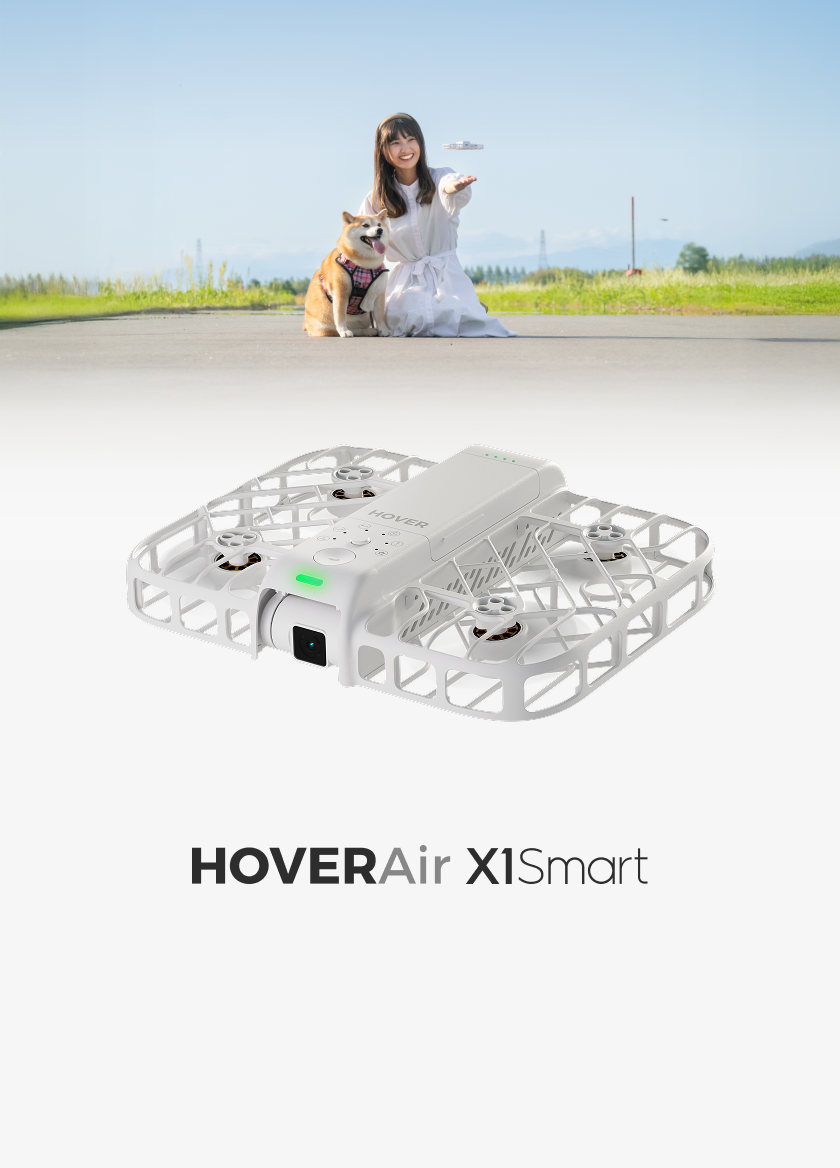
If you don’t want to risk holding a phone while balancing, the best "location" is actually in the air. While filming with a handheld device is a constant struggle on a wobbly board, a waterproof drone like the HOVERAir AQUA removes that stress. You can set the flying camera to track you automatically and focus entirely on paddling. Since it takes off and lands directly on the water, you can capture professional shots without ever touching it.

Where to Mount Your Phone for GPS Tracking While Paddle Boarding?
When navigating a new route or tracking your fitness, pulling a device out of a pocket constantly simply does not work. You need a setup that keeps your screen continuously visible.
Strapped to the Front Bungees (Clear-Top Deck Bags)
The most reliable method for keeping a map in view is using a clear-top deck bag. You attach the bag firmly under the front bungee cords or clip it directly to the board's D-rings. Your phone lays flat inside beneath a transparent window, allowing you to check your location with a quick glance. Because navigation apps drain battery life rapidly, this setup offers a massive advantage: the bag has plenty of extra space to store a slim, waterproof power bank connected directly to your device while you paddle.
Overheating Prevention Tip: Phones sealed under clear plastic in direct sunlight will quickly overheat and shut down. To prevent this, occasionally splash water over the bag to keep the device cool.
Attached to the Deck (Marine Suction Cups)
For paddlers on completely flat, calm water, specialized marine suction cup mounts offer another practical option. These stick directly onto the smooth fiberglass sections of a hardboard, holding the screen upright at a much more comfortable reading angle. However, suction cups will not stick to the textured foam traction pads or the PVC material of inflatable paddleboards. Even on a perfectly smooth hardboard, you should always attach a short safety tether between the mount and a secure D-ring just in case the suction fails.
Where to Keep Your Phone for Emergencies While Paddle Boarding?
If you only bring your phone for emergencies, your main goal is keeping it completely dry. But you still need to be able to reach it quickly if you need help.
Zipped Inside Your Life Jacket (PFD)
The safest place for an emergency phone is right on your chest. If rough water separates you from your paddleboard, a phone strapped to the deck cannot help you. Touring-specific life jackets often feature high-mounted, internal electronics pockets specifically for this reason. Keeping the device on your person ensures that if you end up floating alone, your lifeline stays with you.
Secured Under the Bungees
If your life jacket lacks a secure pocket and you must store the device on the board, rely on the double-bag technique rather than a single layer of protection. Standard 5L or 10L roll-top dry bags are great for towels, but water can occasionally seep through the top if forcefully submerged. To guarantee a dry phone, seal it inside a slim waterproof sleeve first. Drop that sealed sleeve deep into your larger dry bag, roll the top down tightly, and clip it securely beneath your board's front bungee cords.
Quick Tip: Enable "Hey Siri" or "OK Google" before you head out. If your hands are frozen, injured, or busy gripping the board, you can call for help by simply shouting toward your PFD or dry bag without touching the screen.
Secure Your Phone Against the Water!
The right storage depends entirely on whether you’re chasing photos, tracking a route, or just staying safe. Once you match your setup to your goals for the day, you can stop worrying about a dropped device and focus on the water. Secure your tethers, double-check your seals, and head out with confidence.
FAQs About Carrying Your Phone on a Paddleboard
Q1: How do you bring your phone on a paddle board?
A: The most reliable way is using a dedicated waterproof phone pouch or a dry bag. For easy access, clip a pouch to your life jacket. If you don't need the phone while paddling, store it inside a small roll-top dry bag and secure it under the deck bungees. Always tether the device to something floating so it doesn't sink if it slips out of your hand.
Q2: Where do you put your stuff when paddle boarding?
A: Most paddlers use a 5L or 10L dry bag for essentials like sunscreen, snacks, and a towel. You can slide this bag under the bungee cords at the front of your board or clip it to the D-rings. For valuables like car keys or a wallet, keep them in a smaller, separate waterproof case inside the main bag for extra protection against leaks.
Q3: How to take a photo without holding the phone while paddle boarding?
A: You can use voice commands like "Hey Siri," but keep the phone clipped close to your chest and speak loudly so the microphone can hear you over the wind and water. For a truly hands-free experience, a waterproof flying camera like the HOVERAir AQUA is a better alternative. It follows you automatically and captures high-quality shots while you focus on paddling.


