









Is It Worth Buying a Drone for Photography?
Buying a drone for photography often feels like making the same mistake many of us made with DSLR cameras years ago. You carry around a heavy bag of lenses and spend hours editing files, only to find a simple phone photo looks better. Drones promise epic travel photography, but they often end up being a huge hassle in reality. Between the difficult pilot tests and the endless "No Fly Zones," a fun trip can quickly turn into a legal headache. Before you spend a paycheck on a device that might just sit in a drawer, you should see if there is a simpler way to get the shot.
Why Is Drone Photography Still So Popular?
Despite the steep learning curve, the appeal of a drone is simple: it gives you creative freedom. It captures the kind of shots that are physically impossible to get with a regular camera or a smartphone.
Get the Angles You Can’t Reach on Foot
The primary advantage of using a drone in photography is the ability to place a lens in spots where you simply cannot stand. It provides a cinematic depth that makes a basic backyard or a local park look professional, offering a fresh perspective on places you see every day.
Take Photos of Yourself Without the Help of Others
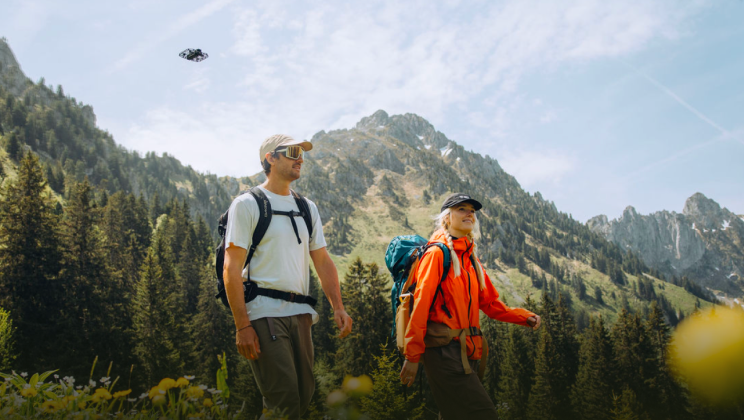
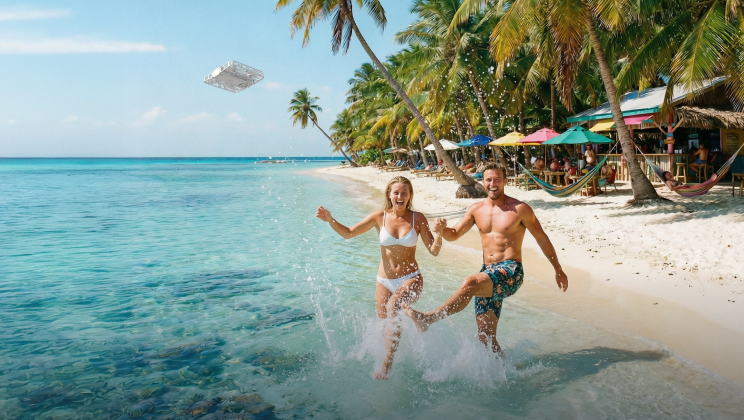
For solo travelers, a drone acts like a private photographer. It lets you document your own adventures—like hiking a mountain ridge or cycling a coastal path—from a third-person view without ever needing to ask a stranger for help.
Find Hidden Shapes and Patterns from Above
You start to notice the symmetry in a row of trees or the textures created by waves on a beach. It turns every trip into a creative search for hidden shapes and colors, making a simple walk feel like a discovery mission.
Challenges of Drones Nobody Tells You About
While the footage looks amazing, the day-to-day reality of using a drone involves a lot of challenges. It usually takes much more effort to get the camera into the air safely than most people expect.
The Heavy Gear That Only Serves One Purpose
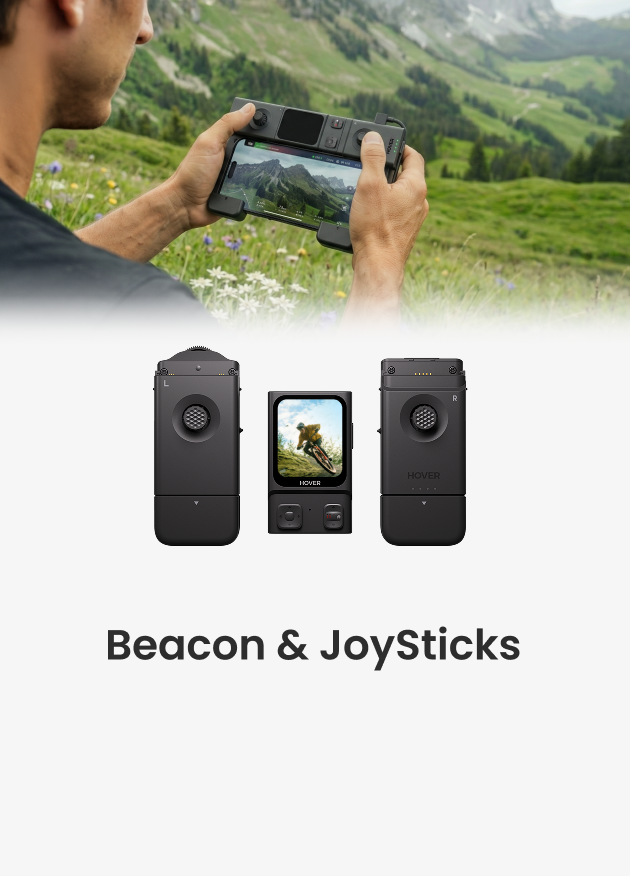
Unlike your phone, a drone requires its own dedicated space for a controller, extra batteries, and cables, which essentially adds a "second suitcase" to your luggage. When you aren't flying, it is just a heavy, expensive brick in your backpack that makes "traveling light" nearly impossible.
The Annoying Noise That Bothers Everyone
Drone noise carries for a long distance and can feel incredibly awkward when you are the person disturbing the silence for everyone else nearby. Many owners end up keeping their drones in the bag simply because they don’t want to deal with the guilt or the annoyed looks from other hikers.
The High Cost and the Constant Fear of Crashing
A drone is a massive financial investment, and flying something that costs a month’s salary is inherently stressful. One strong gust of wind or an unseen tree branch can destroy that investment in a second. Instead of enjoying the process, you often spend the entire flight nervously watching battery bars and signal strength.
The Steep Learning Curve and the Risk of Getting Lazy
Mastering flight controls takes real time and practice. Beyond the technical difficulty, there is also a mental trap: when you can just fly a camera to a specific spot, you might feel less motivated to hike there yourself. It is easy to start "chasing the shot" on a screen instead of experiencing the place.
Flying Cameras vs. Drones: Two Different Ways to Get the Shot
You no longer have to deal with the complexity of a traditional drone. Today, you have a choice between two different tools depending on the type of photos you want to take.
Flying Cameras: For High-Quality Photos With Zero Hassle
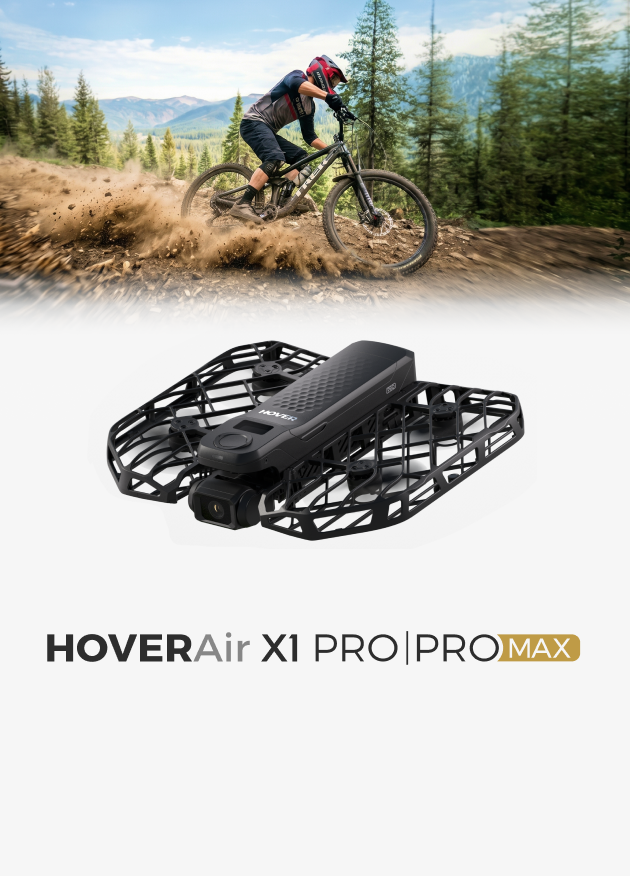
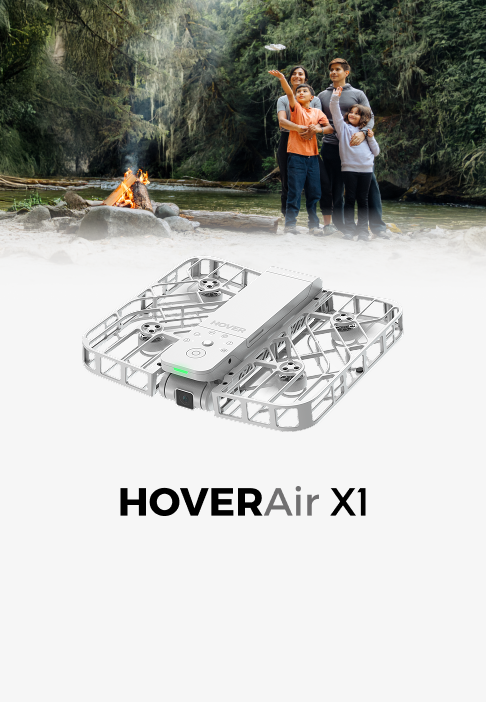
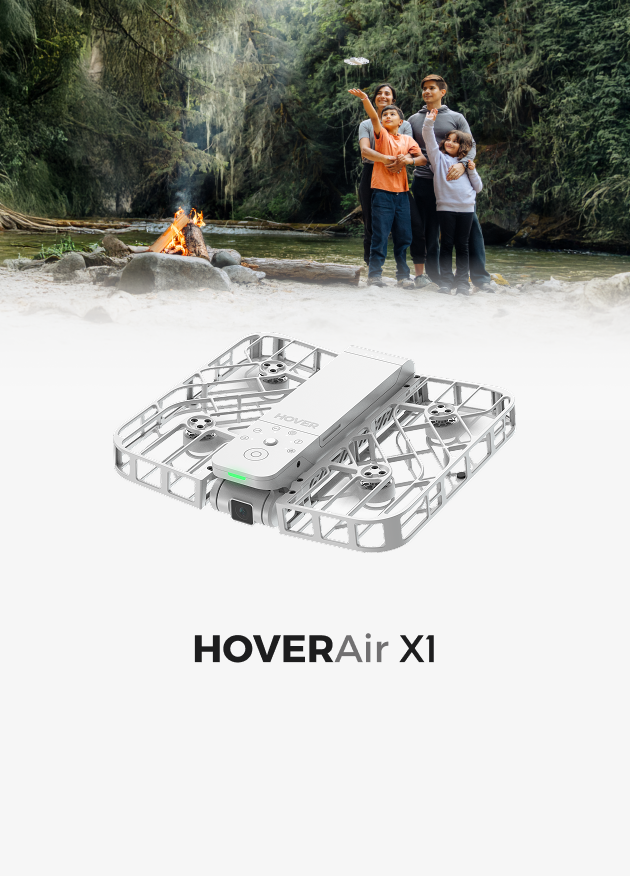
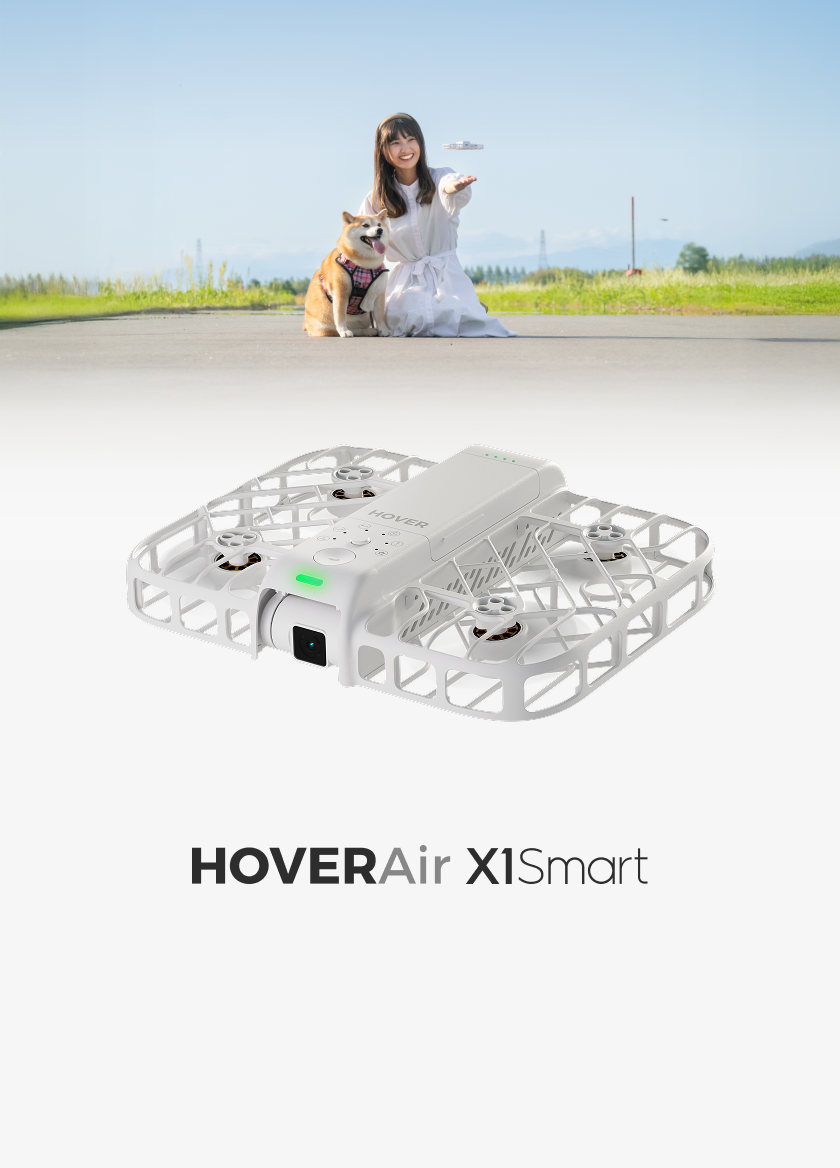
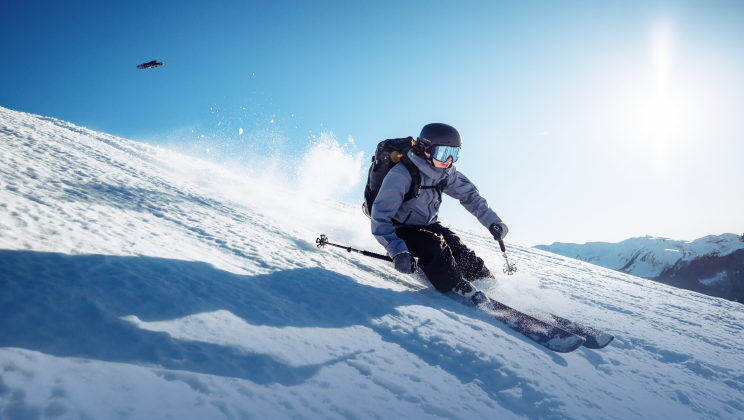
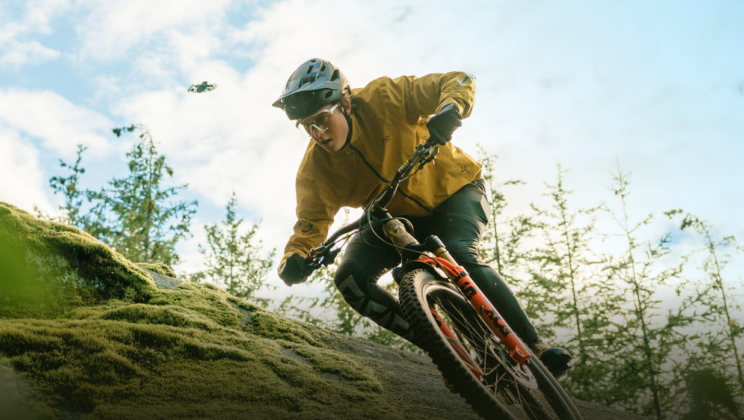
Flying cameras are built for people who want high-end 4K or 8K image quality without the "pilot" experience, like HOVERAir X1 PROMAX. Instead of focusing on long-distance flying, these devices act as a "portable flying lens" that takes off right from your palm. They ditch the bulky controllers and long setup times entirely, using AI to handle flying while you focus on the shot. You get the same high resolution as a pro drone, but in a device that is designed specifically for easy photography.
Professional Drones: For Technical Flight Performance
Traditional drones are specialized tools for long-range scouting and high-speed cinema tracking. These are the tools you need if you want to film a mountain range from miles away or follow a fast-moving car. While they offer pro-level video, that "performance" mostly refers to how they fly as aircraft. They are essentially miniature airplanes that require a dedicated controller, specific training, and a lot of setup time to handle that power.

So, Is It Worth Buying a Drone for Photography?
A drone is only "worth it" if you actually enjoy using it. If the weight, the noise, and the learning curve aren't a big deal for you, then it’s a powerful tool. But if you want to avoid those headaches while still getting high-quality shots, a flying camera is a more practical choice. To decide which direction is right for you, consider what you are trying to achieve:
When a Flying Camera Is Worth It
A flying camera is much better when you want 4K or 8K video but don't want the gear to get in the way of your trip. This is the right choice if you are:
- Stay in the action: Automatically filming yourself while cycling, hiking, or walking without having to think about "piloting" a device.
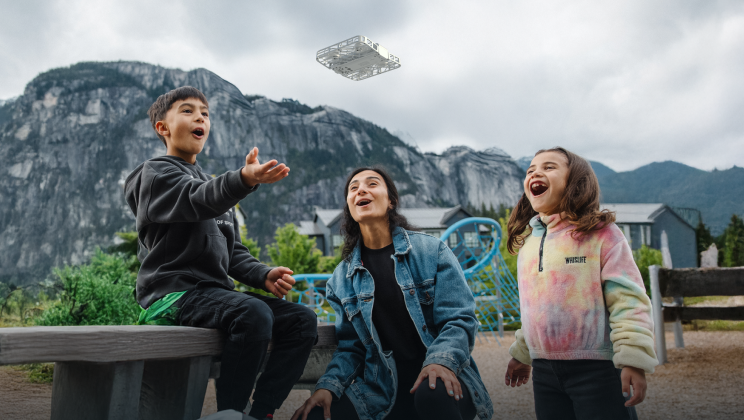
- Capture social moments: Getting a group photo during a picnic or a hangout without making everyone stop and wait for a long setup.
- Travel solo: Having a "personal photographer" that takes off from your hand to get great shots of your journey in just a few seconds.
If you want high-quality footage without the stress of learning how to fly, a flying camera is the clear winner. It captures stunning visuals while letting you stay present in the moment.
When a Professional Drone is Worth the Effort
A professional drone is the best choice when the environment is your main focus and you need full control over the camera. You should go with this option if you are:
- Shoot big landscapes: Framing distant mountains or coastlines that require flying a long way from where you are standing.
- Plan for heavy editing: Needing specific file formats that give you more flexibility to fix colors and details later on a computer.
- Handle extreme speeds and severe weather: Relying on heavy-duty mechanical gimbals to maintain cinematic stability at speeds exceeding 40mph or in harsh mountain gusts.
If your vision relies on total manual control and specialized performance, a professional drone is the ideal choice for high-stakes cinematography.

Simplify Your Drone Photography Experience!
The best drone is the one you feel like taking out of your bag. The drone in photography should be a tool that empowers your creativity, not a burden that stays in your bag. Decide if you want to be a pilot or a storyteller. Once you remove the friction, you can stop worrying about flight paths and start enjoying the view.
FAQs About Flying Cameras and Drones
Q1: Do I need a license to fly a drone or a flying camera?
A: It depends on where you live, but there's a general rule: if your camera weighs under 250g, you usually don't need a formal pilot's license for fun.
- In the US (FAA): You don't need to register your drone or get a license if it’s under 250g and you’re just flying for a hobby. You just need to take a quick online safety test called TRUST.
- In the EU (EASA): For drones under 250g, you don't need a pilot’s certificate, but you do need to register yourself as an "operator" because the device has a camera.
No matter where you are, always check for "No Fly Zones" (like airports or national parks) before you head out.
Q2: How long does it take to learn how to fly a drone?
A: For a professional drone, it typically takes 2 to 4 weeks of regular practice to become fully confident with manual controls and safety procedures. Even with structured learning, you usually need at least a week to master the basics. A flying camera, however, requires no practice at all; it uses AI to take off and follow you automatically, so you can get high-quality shots the same day you unbox it.
Q3: Can I take drones on carry-on?
A: Yes, and you must keep your batteries in your carry-on luggage. Airlines strictly prohibit lithium batteries in checked bags because they are a fire hazard. Most drones and flying cameras are designed to be travel-friendly and fall well under the 100Wh battery limit, making them perfectly safe to bring into the cabin.
Q4: Does a flying camera deliver professional image quality?
A: Yes. Most modern flying cameras shoot in 4K or 8K, providing the same resolution as professional models. While professional drones offer better stability in extreme winds and more flexibility for high-end color grading, a flying camera is more than sufficient for high-quality, daily storytelling.


