














The VIO Technology of HOVERAir X1 Drone
How does a drone or flying camera know where it is in space so that it can fly stably and autonomously? Two commonly used technologies are GPS (Global Positioning System) and VIO (Visual-Inertial Odometry). Today we’re going to dig into VIO, what makes it special, and its application on HOVERAir X1 products.
What is VIO?
VIO, or Visual-Inertial Odometry, is like giving a machine a pair of eyes and a sense of balance. It combines the power of a camera and an Inertial Measurement Unit (IMU) to help devices like drones understand their position and movement in the world. Imagine walking through a room with your eyes open; you can see the objects around you and navigate smoothly.
VIO works similarly by capturing images to track movement and map the surroundings using advanced techniques like feature point tracking and stereo vision. Meanwhile, the IMU acts like your inner ear, which helps you keep your balance by measuring acceleration and angular velocity. By blending these two sources of information, VIO offers an incredibly precise and reliable way to track motion, even in complex environments.
VIO on HOVERAir products
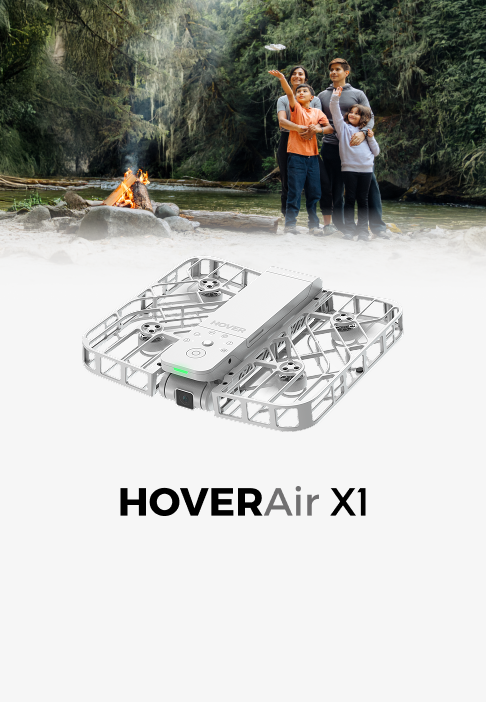
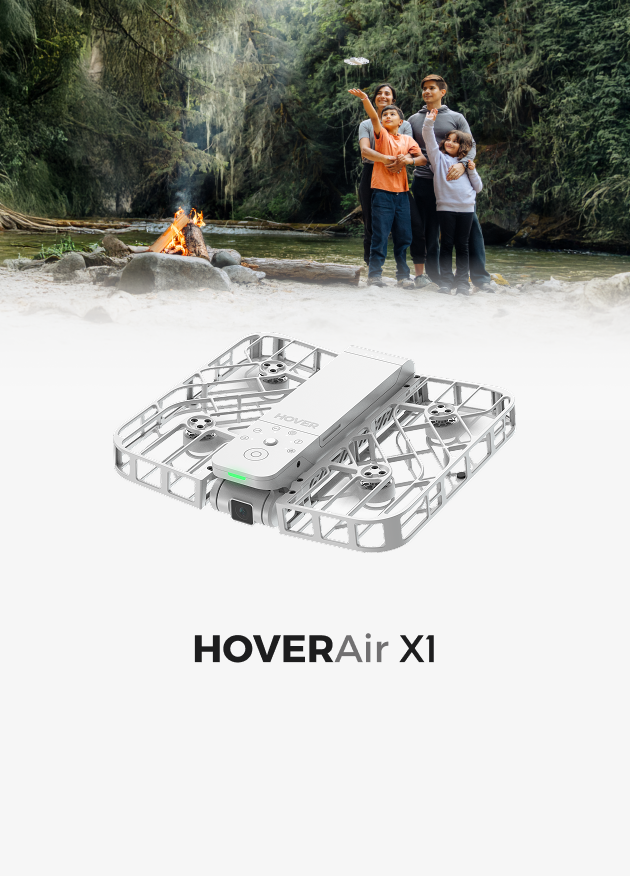
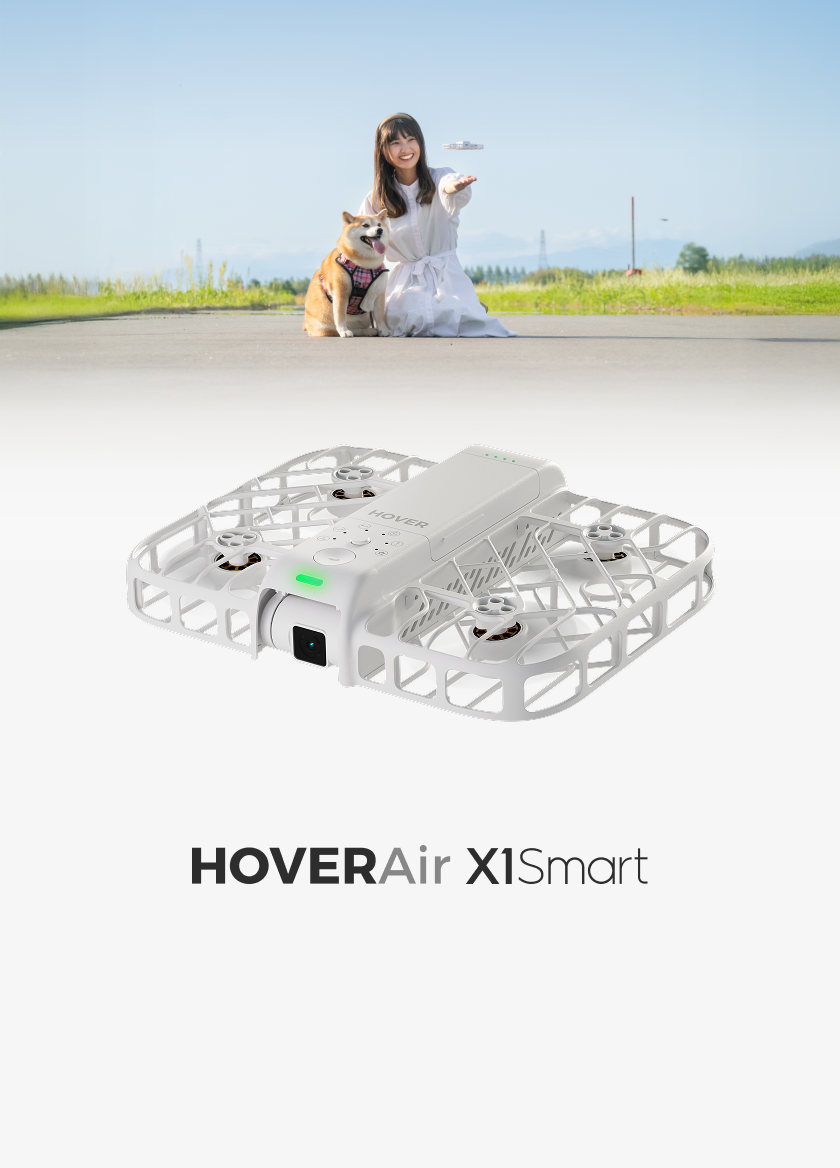
In aerospace applications, VIO provides a powerful solution that is both compact and low power. Most notably, it provides precise and instantaneous positioning so that users can power up and fly quickly without waiting for satellite signals. This allows HOVERAir users to power up and take off in under a minute, so no moment is missed!
In addition, VIO can be robust to interference that might affect other sensors and technologies. By using cameras and motion sensors to operate, VIO can function in environments where GPS is weak or non-existent, like indoors, underground, or in dense urban areas. VIO is also less likely to be disrupted by electromagnetic interference, making it a stable option in challenging signal environments.
Limitations of VIO
- Dependence on Environmental Features: VIO’s biggest strength can also be its Achilles' heel. It needs distinct visual features to navigate effectively. For example, flying over a featureless surface like water or in low-light conditions can be challenging, similar to trying to find your way in the dark.
- Accumulated Error: Over time, small errors can add up without global corrections, making VIO less reliable for extended missions unless periodically recalibrated.
- Lighting Condition Limitations: VIO needs just the right lighting—too bright or too dark, and its performance can suffer, much like how our vision is affected by extreme lighting conditions.
Other Applications of VIO
Here are some other technology applications of VIO:
- Autonomous Driving: Imagine self-driving cars navigating busy city streets without missing a beat. VIO helps these vehicles stay on course by tracking their exact position and orientation, enabling smooth autonomous navigation and obstacle avoidance.
- Robot Navigation: In a world where robots are becoming more common, VIO plays a crucial role in helping them move through complex environments, like navigating a warehouse filled with obstacles or mapping a new area without any prior information.
- VR /AR: When you’re immersed in a virtual world or interacting with augmented reality, VIO ensures that your movements are accurately tracked, enhancing your experience by making it feel more lifelike and responsive.
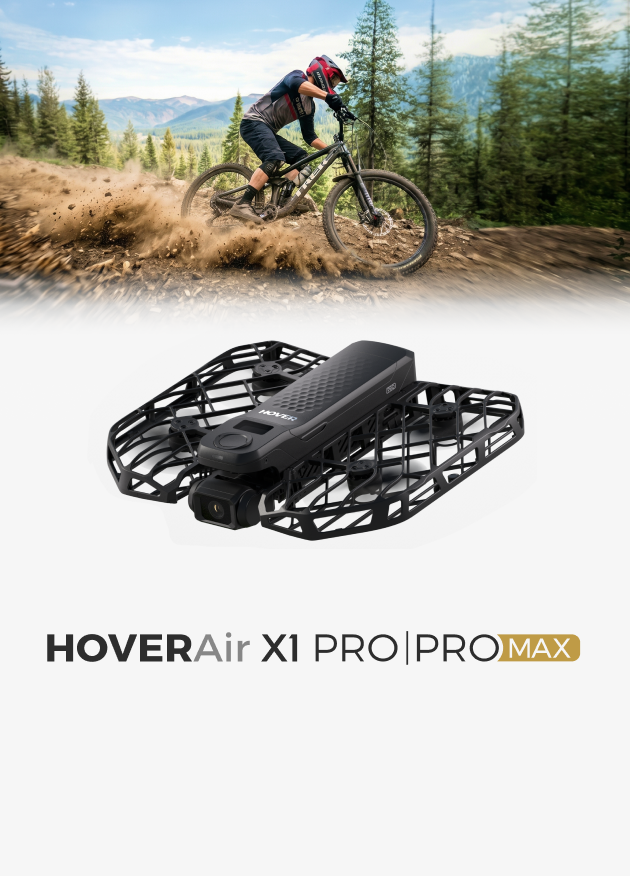
As you can see, VIO is a powerful technology which is highly fitting for grabbing quick and relatively short shots like on the HOVERAir X1 and X1 Smart. Stay tuned for future posts where we’ll talk about how VIO is augmented with OmniTerrain functionality on the HOVERAir X1 PRO and PROMAX to complement VIO.
Last updated at Sep.17th.


