











What Is a Vlog? A Simple Guide for Solo Creators

Video has become a standard way to share stories online. Travelers, creators, and brands all use it to connect with their audiences.
So, what is a vlog? A vlog is a video blog. Instead of writing a post, the creator records it. The camera captures their voice, expressions, and surroundings as events unfold.
Most vloggers work alone. They are both the subject and the camera operator. As a result, much of their footage is limited to one angle: the arm's-length selfie shot.
This guide explains what defines a vlog, how it compares to a blog, and which types are most common. It also covers how to capture the perspectives that are hard to get on your own.
What Is a Vlog?
The word "vlog" combines "video" and "blog." A vlogger publishes a vlog, and the act of making one is called vlogging.
The definition of a vlog depends less on format and more on approach. A recipe filmed from above is a video. It becomes a vlog when the creator brings viewers into their own experience: what they see, think, and feel along the way.
What is considered a vlog? Most vlogs share four traits:
- The creator is present. They appear on camera or speak directly to the viewer.
- The story is first-person. Events are shown from the creator's point of view.
- The moments are real. Footage follows actual events rather than a scripted scene.
- It is made for an audience. Vlogs normally are published on social platforms, often as an ongoing series.
Some videos look similar but fall outside the definition. A short film with actors is not a vlog. Neither is a product ad or a screen-recorded tutorial without personal commentary.
Length and platform do not decide the category. A 30-second clip and a 20-minute upload can both be a vlog video, as long as they follow this approach.
What is the Difference between A Blog and A Vlog
The difference between a blog and a vlog comes down to the medium. A blog is written. A vlog is filmed. That one change affects how each is made, how it is found, and how audiences respond to it.
| Blog | Vlog | |
|---|---|---|
| Format | Written text, usually with images | Video and audio |
| Who makes it | Often a writer, sometimes with an editor | Usually one creator, on camera and behind it |
| Production | Drafting, editing, and revision | Filming, recording, and cutting |
| Tone | Edited and structured | Conversational, closer to real time |
| Discovery | Search engines, newsletters, social posts | Video platforms, feeds, and recommendations |
| Engagement | Comments and shares | Comments, replies, live chat, shares |
| Strength | Depth, detail, and searchability | Personality, presence, and immediacy |
The two formats also serve different moments. A blog suits questions that need answering in detail: a comparison, a checklist, a technical explanation. Readers can scan, jump between sections, and come back later. A vlog suits moments that are easier to show than to describe: a place, a process, a reaction.
For creators and brands, they are not competing choices. A vlog can be turned into a written post, and a post can become a video script. Many teams publish both from a single shoot, using the video for reach and the written version for details and search.
Types of Vlogs and How They're Shot

Vlogs are usually grouped by topic. But each type also relies on certain camera perspectives. Knowing both helps you plan what to film before you start.
| Type | What it shows | Typical perspectives |
|---|---|---|
| Daily vlog | A day in the creator's life, from routines to errands | Follow-me-around, talking head |
| Diary vlog | Reflections and personal updates, often recorded in one place | Talking head |
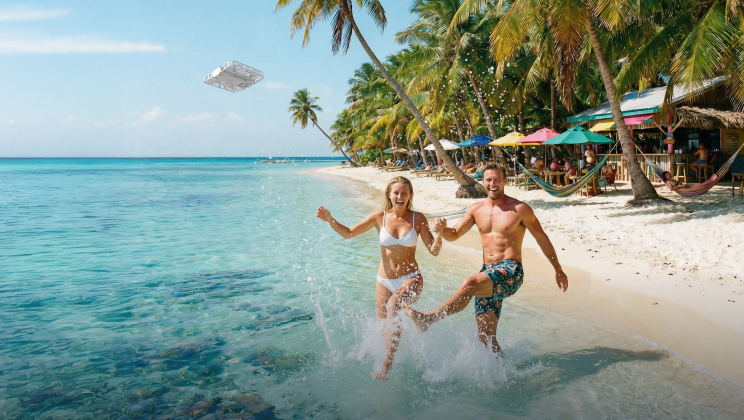
| Travel vlog | Destinations, food, and people met along the way | Follow-me-around, wide shots, aerial |
| Mini vlog | Short clips edited for feeds such as YouTube Shorts, Instagram Reels, and TikTok | POV, quick cutaways |
| Cooking vlog | Recipes and meals, with commentary | Overhead, close-up, talking head |
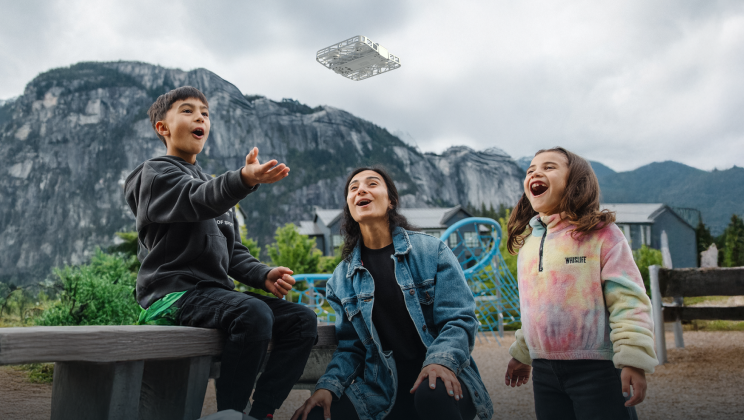
| Family vlog | Everyday moments and milestones | Handheld, wide group shots |
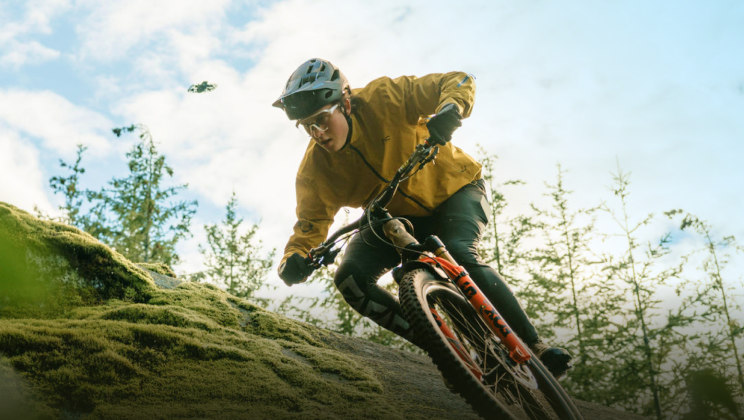
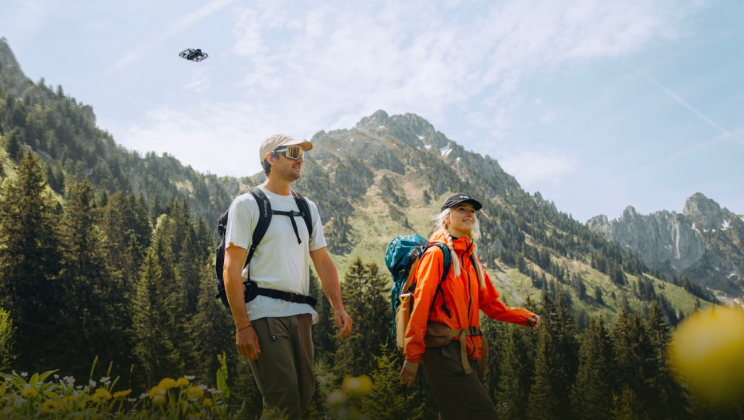
| Outdoor and fitness vlog | Hikes, rides, workouts, and water sports | POV, follow shots, wide and aerial |
| Cinematic vlog | Stylized stories with planned shots and color grading | Varied angles, slow motion, aerial |
The perspectives in the table work like this:
- Talking head: The creator speaks to a fixed camera.
- Follow-me-around: The camera moves with the creator throughout their day.
- POV: The camera shows what the creator sees.
- Wide or third-person: The camera captures the creator within the scene.
- Aerial: The camera films from above, showing the full setting.
Talking-head and POV shots are easy to film alone. The camera stays in your hand or on a tripod. Wide, follow, and aerial shots are different. They need the camera to be away from you, and often moving. Yet these are the shots that trips, outdoor, and cinematic travel videos depend on most.
Why So Many Vlogs Look the Same
Most vloggers have no crew. They plan the shot, hold the camera, and appear in the frame. This setup keeps vlogging simple and personal. It also limits what the camera can see.
When the camera stays in your hand, the same few shots repeat. Your face fills the frame at arm's length. The background is cropped. Full-body shots, wide scenes, and shots of you moving through a place are hard to get. Over the full video, the footage starts to look the same.
Vloggers use several workarounds, and each solves part of the problem.
| Method | What it captures well | Main limitation |
|---|---|---|
| Phone at arm's length | Talking-head and selfie shots | One close angle; shaky on the move |
| Tripod | Stable fixed shots, wider framing | Stays in one place; setup for every shot |
| Handheld gimbal | Smooth footage while walking | Still held by you, so the angle stays close |
| Action camera | POV and mounted shots in rough conditions | Angles limited to where it is held or mounted |
| A friend filming | Natural third-person shots | Depends on someone else being there |
| Traditional drone | Aerial and wide establishing shots | Needs a pilot and controller; hard to fly and appear on camera at once |
The pattern is clear. Most tools give you either stable handheld footage or an outside perspective. Only few give you both.
What Makes a Good Vlog Camera:
A vlog camera is any camera suited to filming yourself. Usually, most creators can start vlogging with their phone. However, a good vlog camera definitely reduces the work of being your own crew.
If you are looking to upgrade your devices or find the best vlogging camera, here are some aspects you should consider:
- Stabilization: Smooth footage while walking or moving.
- Portability: Small enough to carry every day.
- Framing and tracking: Keeps you in the shot without constant adjustment.
- Audio: Clear voice capture, built in or through an external mic.
- Low-light performance: Usable footage indoors and after sunset.
- Battery life: Enough recording time for a full day of filming.
- Perspective options: The ability to move beyond the arm's-length shot.
HOVERAir VERSA: A 2-in-1 Vlog Camera for Solo Creators
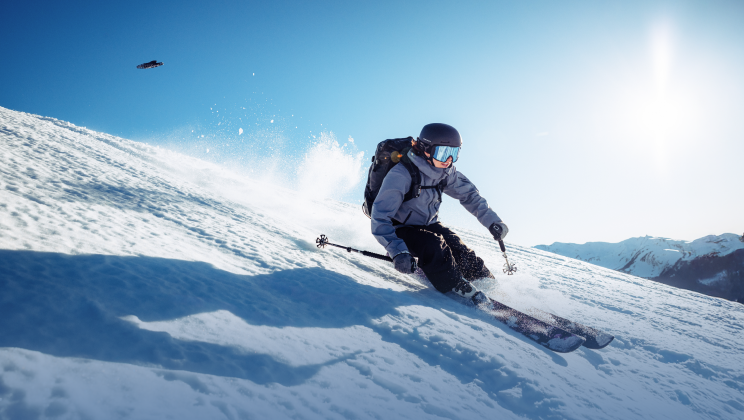
HOVERAir VERSA is a 2-in-1 camera built for creators who film on their own. In handheld mode, it is a pocket-size camera with a 3-axis mechanical gimbal, recording smooth 4K footage at 60fps. Snap on the wings, and it becomes a self-flying camera that takes off from your palm, unlocking third-person, follow, and aerial shots with zero piloting skills required. For a solo vlogger, it pairs the ease of a pocket camera with the reach of a personal film crew.
Key Features of HOVERAir VERSA:
- AI tracking: VERSA locks onto you and follows as you walk, hike, or ride, capturing smooth follow shots hands-free.
- 10+ intelligent flight modes: Follow, Orbit, Bird's Eye, Zoom Out, Dolly Zoom, and more add cinematic movement through preset flight paths.
- AI framing: VERSA reads the scene, suggests where to place the camera, and crops to a balanced composition.
- AI Low-light enhancement: Keeps evening streets, sunsets, and indoor scenes bright and clear.
Conclusion
A vlog is a video blog, shaped by the person behind it. It turns everyday moments, trips, and ideas into stories viewers can see and hear. The format is simple to start, and every type has its own style, from daily and diary vlogs to travel and mini vlogs.
The strongest vlogs also show variety. Close-up talking shots build connection. Wide, follow, and aerial shots give the story a sense of place. With the right camera, a solo creator can capture all of them.
Ready to see more of your story? Explore HOVERAir VERSA and start filming from every angle.
FAQs
What is a vlog on YouTube?
A YouTube vlog is a vlog published on YouTube, usually as a longer upload. Creators often post them as a series, with a recognizable style and regular schedule. Many also cut shorter clips from the same footage for YouTube Shorts.
What is a good vlog camera for beginners?
A smartphone is a good place to start. As you grow, look for stabilization, a screen you can see while filming yourself, clear audio, and a compact size. A 2-in-1 camera like HOVERAir VERSA adds aerial and follow shots to the same kit.
Can you vlog by yourself?
Yes. Most vloggers film on their own. A tripod, a gimbal, or a self-flying camera helps you add wide, moving, and aerial shots to your vlog.


