











FAA Part 107 Guide: What Lightweight Drone Pilots Need to Know for Commercial Flights in the U.S.
Drones are becoming more popular than ever—not only among hobbyists but also among content creators, small businesses, and professional pilots. However, if you plan to use a drone for commercial purposes in the United States, you must comply with FAA Part 107 regulations, even if you fly a lightweight drone under 250g. This guide offers a clear overview of FAA Part 107, Remote ID requirements, pre-flight preparation, and common questions from the drone community to help you fly legally and safely.
Note: FAA rules apply only in the United States. If you fly in Europe, Canada, Australia, or other regions, please follow local aviation regulations. This article is based on FAA official resources and community best practices and should not be considered legal advice.
What Is FAA Part 107?
FAA Part 107 is the regulation set by the Federal Aviation Administration (FAA) that governs the commercial operation of small unmanned aircraft systems (sUAS). In simple terms:
| Use Case | Registration | Remote ID | Part 107 License Required |
| Recreational (under 250g) | Not required | Not required | Not required |
| Commercial (any weight) | Required | Required | Required |
✅ Important: Many pilots mistakenly think sub-250g drones are exempt from regulations. This is only true for recreational flying. If the drone is used for business—YouTube monetization, real estate, inspections, or social media campaigns—it is considered commercial use, and Part 107 rules apply.
Who Needs a Part 107 Certificate?
You need a Part 107 Remote Pilot Certificate if:
- You are 16 years or older
- You can safely operate a drone (basic health/vision requirements)
- You fly for business or any form of compensation
How to Get Certified
You can qualify by:
- Passing the FAA Part 107 knowledge test at an FAA-approved testing center, or
- Holding a Part 61 manned aircraft pilot certificate and completing online sUAS training
Certificate renewal: Every 24 months (online recurrent training)
FAQ:Do I still need a Part 107 license if my drone weighs under 250g?
Yes. Weight does not matter for commercial flights. The moment money or business is involved, Part 107 applies.
Remote ID Requirements (Especially for Lightweight Drones)
Remote ID is like a digital license plate for drones, broadcasting location and identification during flight for airspace safety. Do sub-250g drones need Remote ID?
| Usage Type | Requirement |
| Recreational | No |
| Commercial | Yes—must register + Remote ID required |
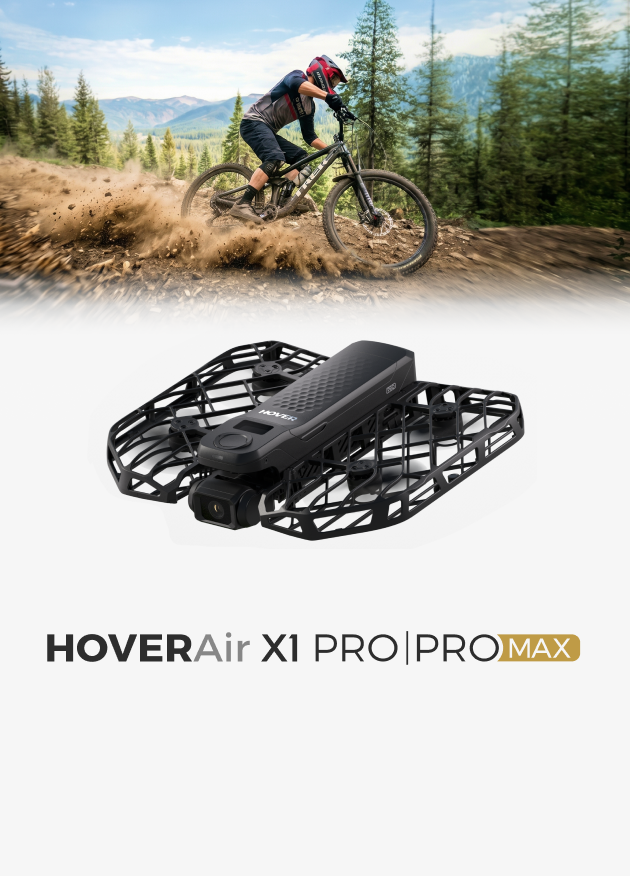
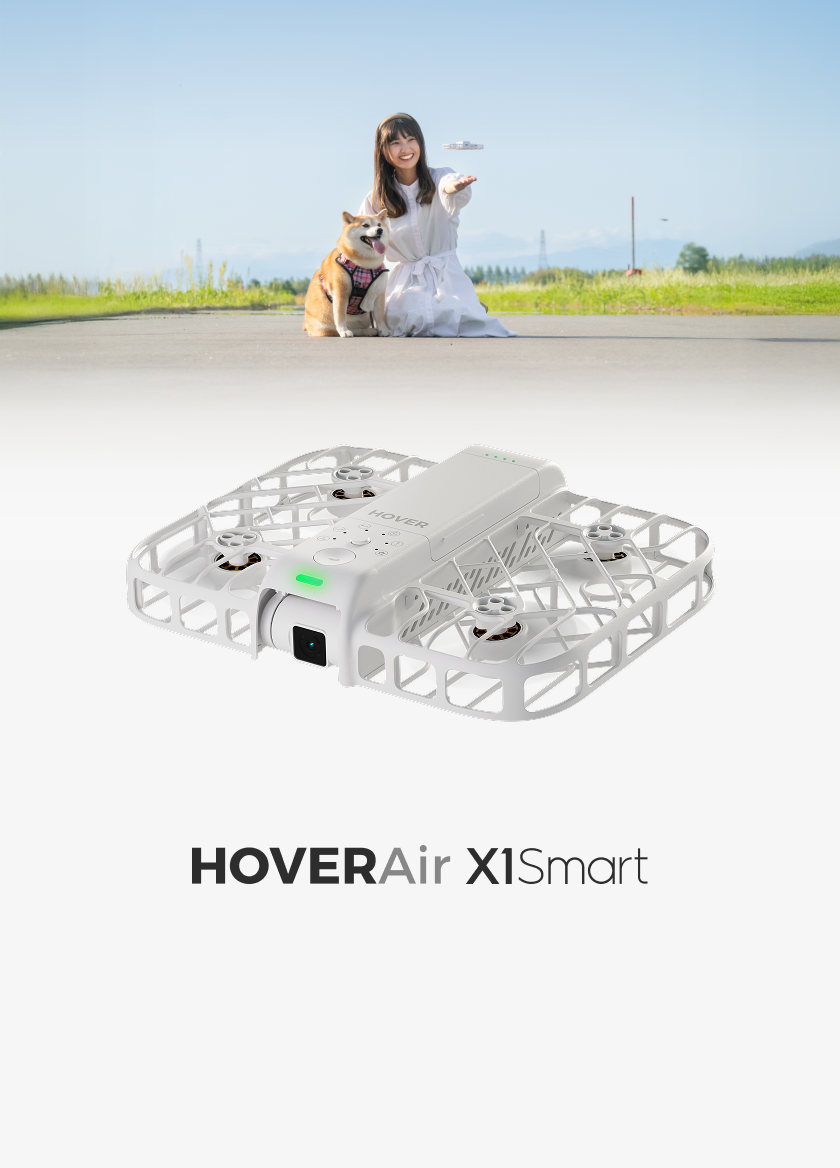
Example: HOVERAir X1 PRO / PROMAX If using HOVERAir X1 PRO or PROMAX for commercial flights in the U.S.: How to find the Remote ID number:
- Open HOVERAir X1 App
- Go to Device Info → find Remote ID Serial Number (starts with numbers like
2095F…, notZZ)


3.Use this number to register your drone in FAA DroneZone (https://faadronezone-access.faa.gov)
4.Ensure Remote ID is active before commercial flying
🔗 Learn more: Remote ID for HOVERAir X1 PRO & PROMAX: https://hoverair.com/blogs/new-features/remote-id-now-available-for-hoverair-x1-pro-promax
FAA Remote ID Compliance Guide: https://hoverair.com/blogs/guide/faa-remote-id-compliance-guide
Flight Rules Under Part 107
Always follow these standard flight rules:
| Rule | Requirement |
| Max Altitude | 400 ft (122 m) above ground |
| Maximum Speed | 100 mph (87 knots) |
| Line of Sight | Must maintain VLOS |
| Flights Over People | Restricted unless approved |
| Night Flights | Allowed only with anti-collision lighting + training |
| Airspace Operations | LAANC/ATC approval required in controlled airspace |
Use “Me > Check Restricted Flight Areas” in the HOVERAir X1 app to view NFZs and restrictions.
Pre-Flight Checklist for Part 107 Pilots
✔ Airspace check: Controlled airspace requires LAANC approval
✔ Weather check: Avoid high wind and rain—lightweight drones are affected more by wind
✔ Drone inspection: Battery, propellers, motors, sensors
✔ Remote ID status: Confirm broadcast
✔ Flight plan: Maintain safe distance from people and buildings
✔ Insurance (recommended): Protect against accidents or damage claims
Tip: Use drone apps to plan your mission and avoid violations.
Common Questions (FAQ)
Q: How far can a drone fly under Part 107?
A: You must always maintain Visual Line of Sight (VLOS). FPV goggles can help but do not replace VLOS.
Q: How much is FAA registration?
A: $5 per aircraft (valid for 3 years). Each drone must be registered separately.
Q: Can I fly at night?
A: Yes, but only with anti-collision lights and after completing night operation training in Part 107 recurrent training.
Q: Can FPV pilots fly long range?
A: No, long-range flights without VLOS violate Part 107.
Q: Do I need drone insurance?
A: Not required by law, but highly recommended for commercial use.
Final Thoughts
Complying with FAA Part 107 is essential for anyone flying drones commercially in the U.S.—even with sub-250g aircraft. To stay compliant:
✅ Register your drone
✅ Enable Remote ID
✅ Pass the Part 107 Certification
✅ Follow FAA airspace and safety rules
Flying legally protects you, your business, and everyone around you.
Official Resources
- FAA Part 107 Overview: https://www.faa.gov/newsroom/small-unmanned-aircraft-systems-uas-regulations-part-107
- FAA DroneZone Registration: https://faadronezone-access.faa.gov


