








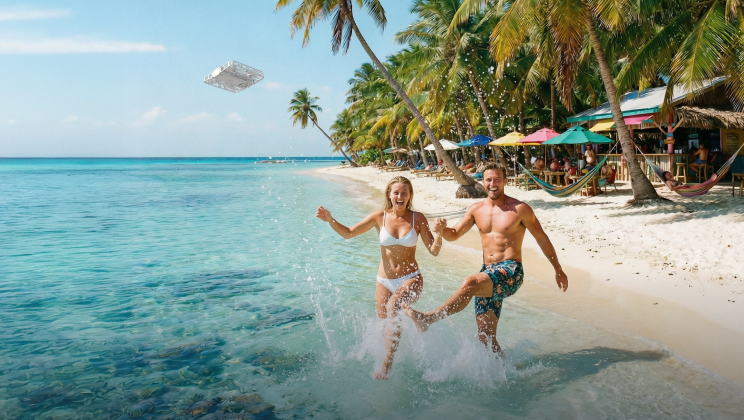

Selfie Stick vs. Flying Camera: Which is Better for Recording Third-Person Shots?
Selfie Stick vs. Flying Camera: At a Glance
|
Selfie Stick (360° Camera) |
Flying Camera (Autonomous Drone) |
|
|
Operation |
Requires one hand to hold the pole. | Completely hands-free; tracks automatically. |
|
Video Style |
Simulated third-person view; awkward holding posture remains. |
True cinematic "third-person" view; dynamic motion. |
|
Image Quality |
Footage can look blurry after cropping. |
Native high resolution (up to 4K/8K) with sharp detail. |
|
Rules & Weather |
Works in rain/wind; no flight restrictions. |
Best in low wind; subject to local drone laws. |
|
Post-Editing |
High effort; requires manual "reframing". |
Low effort; footage is framed and ready to share. |
|
Portability |
A separate pole you must carry or pack. |
Pocket-sized, foldable, and ultra-light. |
The Invisible Selfie Stick (360° Camera Setup)
How the Invisibility Effect Works
The Key Advantages
No Flight Rules to Worry About
A 360 camera on a stick is generally treated just like a phone or an action camera. You can walk through a crowded market, enter a museum, or hike a restricted trail and get the shot without breaking any laws or attracting security.
Capture the Entire Scene at Once
A 360 camera records the entire sphere around you, meaning you never have to worry about pointing the lens in the right direction. You simply hit the record and let the action unfold. Because the device captures every angle simultaneously, you can easily look back at the footage later and select the exact perspective.
Tough and Weatherproof
Many 360 cameras are waterproof and dust-resistant, making them perfectly safe for rigorous water sports, muddy trails, or heavy rain. Furthermore, the battery lasts a long time, frequently allowing for 60 to 80 minutes of continuous recording on a single charge.
The Real Downsides
Not Great for Action Scenarios
A selfie stick is fine for walking, but it's a bad choice for action sports. If you are biking, skiing, or climbing, holding a pole means you only have one free hand. It throws off your balance and makes you focus on the camera instead of where you are going.
Limited by the Length of the Selfie Stick
You could try using a 3-meter selfie stick, but handling such a long pole is usually more trouble than it's worth. You’ll never get those high-altitude shots that show off the entire landscape.
Your Hand Often Looks Unnatural in the Video
Even though the camera hides the stick, it can't hide your pose. Your arm is still visibly extended, and your hand is clenched around "nothing" in mid-air. This awkward holding posture often breaks the illusion of a true floating camera.
Extra Time Spent Editing
Capturing everything means more work in post-production. The footage isn't ready to share immediately; you have to spend time manually "reframing" the video, choosing exactly where the camera looks, and leveling the horizon before posting.

The Flying Camera (Autonomous Drone)
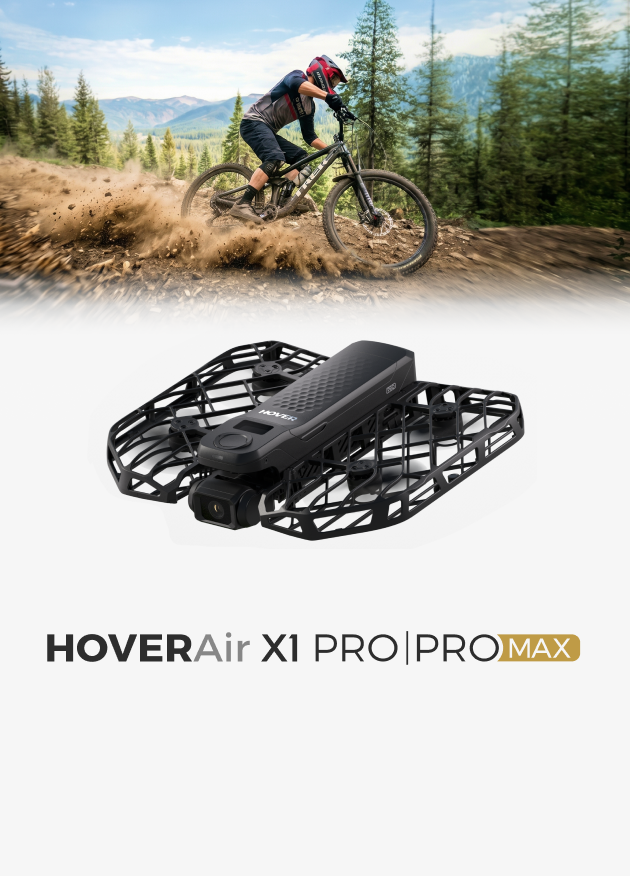
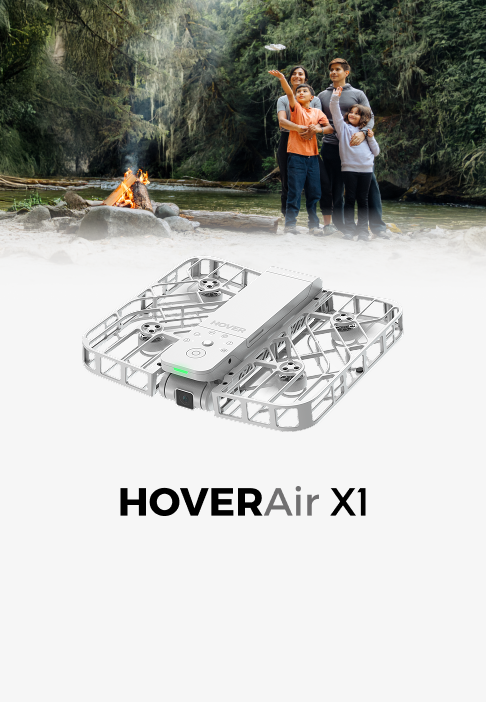
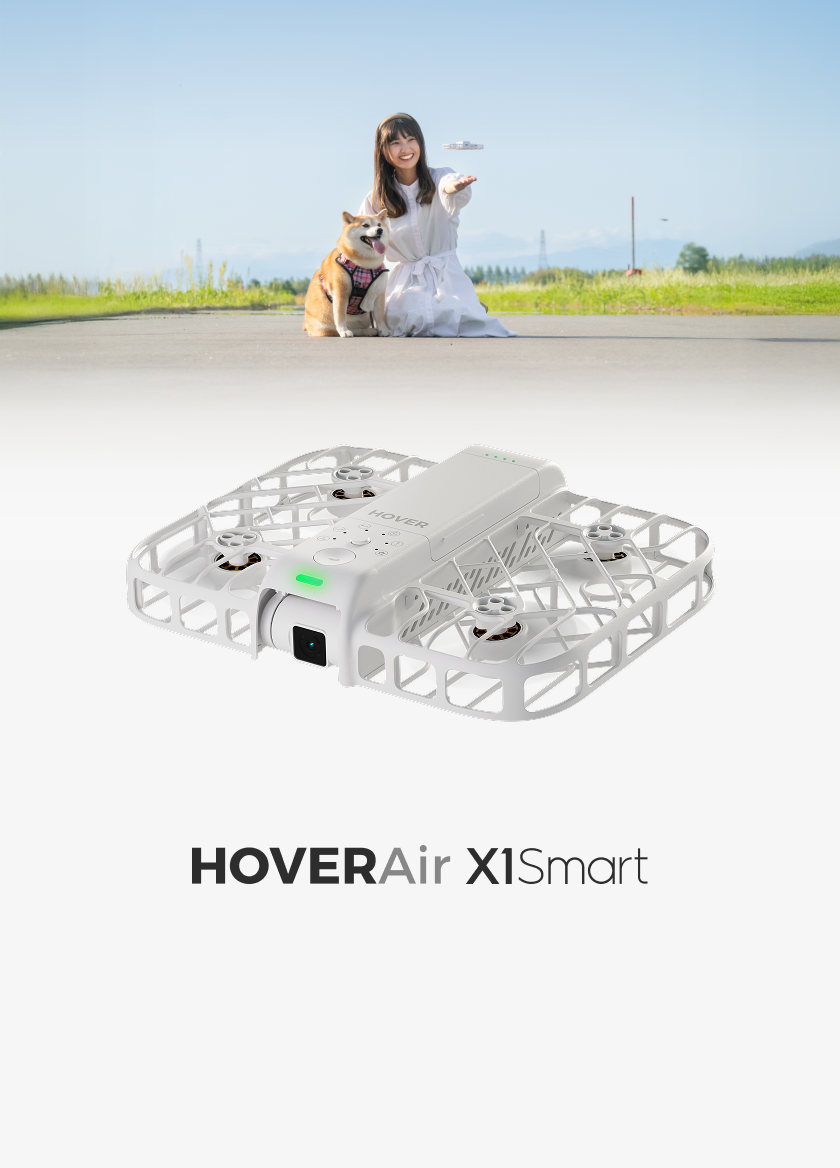
Autonomous drones act as your personal cameraman in the sky. By getting off the ground, they capture true aerial perspectives that aren't limited by how far you can reach with a pole.
How Autonomous Tracking Works
Instead of relying on a manual remote control, these compact drones use visual tracking algorithms. The camera analyzes the live video feed to recognize your shape, clothing, and movement. Once it locks on, the drone flies itself. It speeds up, slows down, and climbs right along with you, automatically adjusting its position to keep you perfectly in the frame—whether you're walking, orbiting, or heading down a trail.
The Key Advantages
Completely Hands-Free
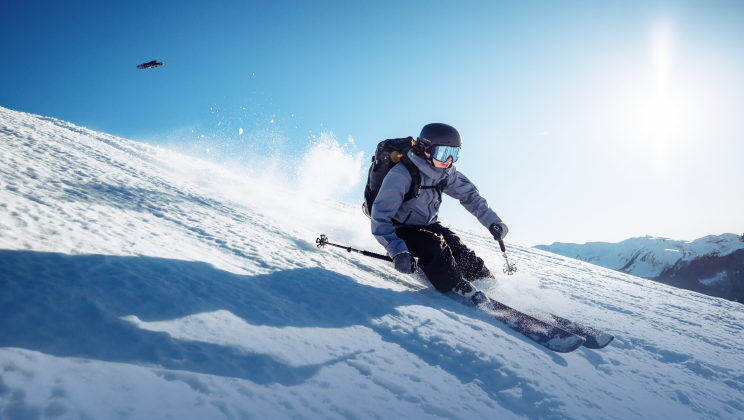
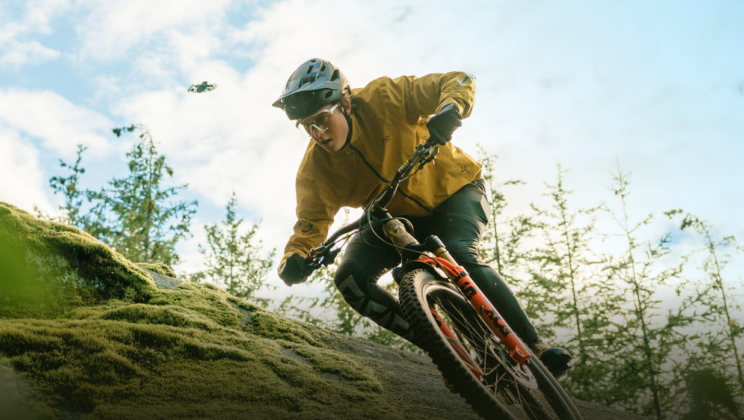
Once the drone takes off, you don't have to hold or manage anything. You can swing your arms while running, grip your bike handlebars, or carve through the snow on your skis or snowboard. This doesn't just make your movement look better—it makes it safer, too. You can focus entirely on the terrain ahead instead of constantly checking your grip. It’s the closest you can get to having a professional cameraman follow you.
Moves Freely Around You
A flying camera isn't stuck at arm's length. It can physically fly backward as you walk forward ( Dolly Track), smoothly circle around you (Orbit), or rise straight up into the air (Bird's Eye). This adds actual physical motion to your video. Instead of just floating next to you, the camera can dynamically pull away or swoop in, creating shots that are impossible to get when a camera is physically attached to you.
Shows the Full Environment
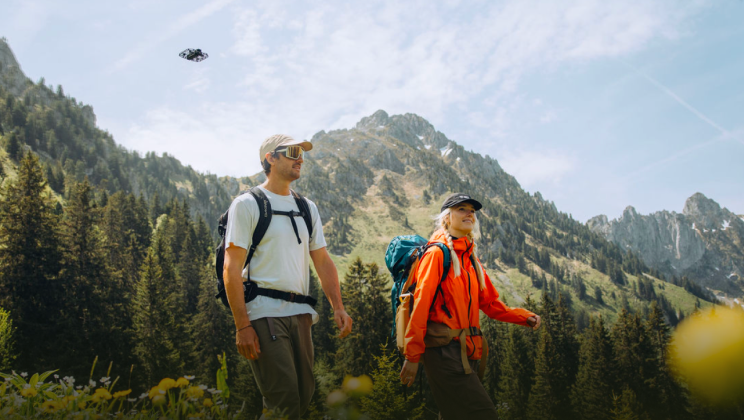
An autonomous drone can pull back far enough to put your surroundings into perspective. Whether you’re standing on a cliff or trekking through a forest, this distance allows the camera to capture the entire landscape around you. It turns the shot into a story about where you are, rather than just a close-up of what you’re doing.
The Real Downsides
Blocked by "No Fly" Zones
Even if a follow drone is tiny and lightweight, it still has to obey aviation laws. Most countries restrict flying in national parks, over crowds, or near airports. This means you might carry the drone to a bucket-list location only to find that the drone's app has geofenced the area, making it impossible (and illegal) to take off.
Restricted by Venue Rules
Even outside of official "no-fly" zones, many locations have their own policies. For example, most ski resorts ban drones on the slopes for safety, and many theme parks do not allow them on the grounds. If you are in a busy tourist spot or a narrow street, flying can also be impractical due to the foot traffic.

Pack the Right Camera and Start Filming!
There is no single perfect camera for every solo traveler, just the right tool for your environment. If your route includes crowded streets, museums, or unpredictable weather, pack the selfie stick so you can shoot anywhere. If you are heading into open landscapes and want a completely hands-free personal cameraman, bring the flying camera. Just grab your gear and start rolling.


